
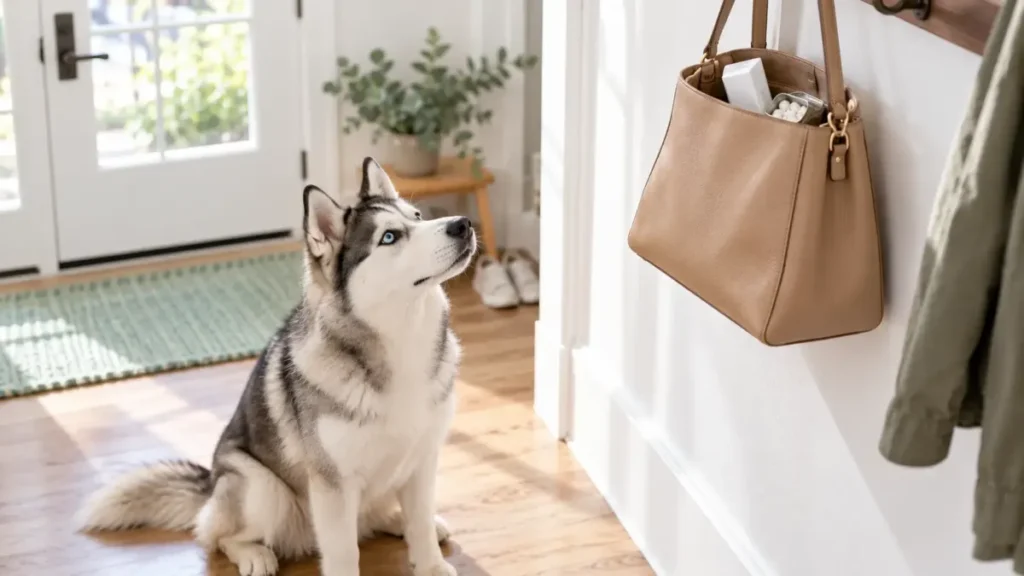

Xylitol poisoning in dogs is a true emergency. This sugar substitute, found in sugar-free gum, mints, some peanut butters and many other products, makes a dog’s body release a flood of insulin. Blood sugar can crash within 10 to 60 minutes, and larger amounts can cause liver failure. If your dog ate anything containing xylitol, call your vet or a poison hotline now; don’t wait for symptoms.
Xylitol (also sold as birch sugar or wood sugar) is safe for people but toxic to dogs. About 100 mg per kg of body weight can cause dangerously low blood sugar, and 500 mg/kg or more can damage the liver. A single piece of some gums can be enough for a small dog. Fast treatment usually leads to a good recovery, so act immediately.
Table of Contents
Is Xylitol Bad for Dogs? Why It’s Toxic
Yes, and the reason is unique to dogs. In people, xylitol barely affects insulin, which is why it’s popular in “sugar-free” and “keto” products. Dogs react very differently. As the FDA explains, xylitol is quickly absorbed into a dog’s bloodstream and triggers a powerful release of insulin from the pancreas. The result is a rapid, profound drop in blood sugar (hypoglycemia) that can start within 10 to 60 minutes.
At higher doses, xylitol can also injure the liver. The Merck Veterinary Manual notes that some dogs develop severe liver failure, and that not every dog with liver injury shows low blood sugar first. That’s why vets take every case of xylitol toxicity in dogs seriously.

How Much Xylitol Is Toxic to Dogs?
The Merck Veterinary Manual links doses above about 100 mg/kg (45 mg per pound) with hypoglycemia, and doses above about 500 mg/kg (227 mg per pound) with severe liver injury. Here’s what that means by size:
| Dog’s Weight | Low Blood Sugar Risk From | Liver Damage Risk From | Pieces of Gum That Could Cause Low Blood Sugar* |
|---|---|---|---|
| 5 lb (2.3 kg) | ~0.23 g | ~1.1 g | Less than 1 |
| 10 lb (4.5 kg) | ~0.45 g | ~2.3 g | About 1/2 to 2 |
| 25 lb (11 kg) | ~1.1 g | ~5.7 g | About 1 to 4 |
| 50 lb (23 kg) | ~2.3 g | ~11 g | About 2 to 8 |
| 75 lb (34 kg) | ~3.4 g | ~17 g | About 3 to 11 |
Our calculations from the Merck Veterinary Manual thresholds. *Assumes 0.3 to 1 gram of xylitol per piece; the real amount varies widely by brand, and many labels don’t list it. These numbers are for understanding the risk only. Never use them to decide that an exposure is “safe”; call your vet or poison control for any amount.
Products That Can Contain Xylitol
When it comes to xylitol and dogs, gum is the classic culprit, but xylitol hides in more places than most owners expect. The FDA’s list includes:
- Sugar-free gum, mints and hard candy
- Some peanut butters and nut butters (always check before using them in treats or toys; see our peanut butter guide)
- Toothpaste and mouthwash made for people
- Chewable and gummy vitamins, supplements and some over-the-counter medicines and cough syrups
- Sugar-free or “keto” baked goods, puddings, ice cream, protein bars and drink mixes
- Baking sweeteners sold as birch sugar or as xylitol blends
On labels, look for “xylitol,” “birch sugar,” “wood sugar,” or the food additive code E967. Other sugar alcohols such as sorbitol and erythritol aren’t known to cause the same insulin reaction in dogs, but they can still cause diarrhea, and blends often mix several sweeteners. When in doubt, keep it away.

Xylitol Poisoning Symptoms and Timeline
| When | What Can Happen | Signs to Watch For |
|---|---|---|
| 10-60 minutes | Blood sugar drops | Vomiting, weakness, wobbly walking, lethargy |
| Within a few hours | Severe hypoglycemia | Trembling, collapse, seizures, confusion |
| Up to 12-18 hours | Delayed low blood sugar is possible with some gums that release xylitol slowly | Same signs, appearing after a dog seemed fine |
| 24-72 hours | Liver injury with higher doses (blood tests may change within hours) | Vomiting, yellow gums or eyes, black stool, bruising, poor appetite |
Some dogs show no signs at first. That doesn’t mean they’re safe, which is why vets recommend treatment based on what was eaten, not on how the dog looks.
How Vets Treat Xylitol Poisoning
Treatment depends on how much was eaten and how soon your dog gets care. It often includes:
- Making the dog vomit at the clinic, if it’s early and blood sugar is still normal.
- Frequent blood sugar checks, often every 1-2 hours for at least 12 hours.
- IV fluids with dextrose (sugar) to keep blood sugar up.
- Liver tests and liver-protecting medicines for larger doses, with liver blood work repeated daily for about 3 days.
There’s no safe home treatment. Rubbing syrup on the gums may buy time on the way to the clinic if your vet advises it, but it isn’t a substitute for care. Dogs treated quickly for low blood sugar usually recover well; the outlook is more guarded if liver failure develops.
How to Prevent Xylitol Poisoning
- Keep gum, mints and candy out of handbags, backpacks and coat pockets your dog can reach.
- Store toothpaste, vitamins and medicines in closed cabinets.
- Read the label of every peanut butter, yogurt or baked good before sharing.
- Tell guests, kids and pet sitters not to share sugar-free snacks.
- Use only pet toothpaste for brushing your dog’s teeth.
- Stick with dog-safe treats, like our peanut butter dog treats made with a xylitol-free nut butter.
What should an owner do first if their dog ate sugar-free gum? Call your vet or a poison hotline immediately with the product and amount. Don't wait for symptoms.
Should owners make their dog vomit at home? No, not unless a vet tells you to; if blood sugar is already low, it can make things worse.
What's the outlook with fast treatment? Most dogs treated quickly recover well. It's more serious if the liver is affected.
— Dr. Sarah Miller, DVM
Xylitol and Dogs: Quick Guide
✓ What helps
- Call a vet or poison line right away
- Keep the package and note the time
- Store gum, mints and vitamins up high
- Read labels for xylitol or birch sugar
✕ Don’t
- Wait for symptoms to appear
- Make your dog vomit without vet advice
- Use human toothpaste on your dog
- Assume “sugar-free” means dog-safe
Any amount of xylitol is a reason to call your vet. Fast treatment gives dogs the best chance.
Frequently Asked Questions
My dog ate gum with xylitol but seems fine. Do I still need a vet?
Yes. Signs can be delayed, and liver injury may not show for a day or more. Call your vet or a poison hotline even if your dog looks normal.
Is xylitol worse for dogs than chocolate?
Both are dangerous, but xylitol acts faster and is toxic at much smaller amounts. A single piece of gum can harm a small dog, while chocolate toxicity depends more on type and amount.
What if my dog ate chewed gum?
Chewed gum still contains some xylitol. Treat it like any exposure and call your vet with the brand and number of pieces.
Can dogs survive xylitol poisoning?
Yes, most dogs that are treated quickly recover fully. The risk is higher with large doses, delayed treatment or liver failure.
Is xylitol bad for cats too?
Research suggests cats don’t react to xylitol the way dogs do, but it’s still wise to keep these products away from all pets.
Is xylitol toothpaste safe if my dog only licks a little?
Human toothpaste can contain xylitol and other ingredients that aren’t safe to swallow. If your dog ate some, check the label and call your vet. Use dog toothpaste only.
Find related guides in our dog nutrition and health hub.
The Bottom Line
Xylitol poisoning in dogs can cause a dangerous drop in blood sugar within an hour and liver damage at higher doses. Even small amounts matter for small dogs, so treat every exposure as an emergency: call your vet or a poison hotline, keep the package, and don’t wait for symptoms. Prevention is simple: keep sugar-free products out of reach and read labels before sharing. For a printable list of dangerous foods, see our toxic foods fridge chart and our guide to foods dogs should never eat. This article is general information, not veterinary advice; see our Veterinary Disclaimer.
References & Sources
Written by CPD Nutrition Desk using the sources below. We are not affiliated with these organizations, and this guide is not a substitute for advice from your veterinarian.
- U.S. Food and Drug Administration — Paws xylitol its dangerous dogs
- Merck Veterinary Manual — View source
- ASPCA — ASPCA Animal Poison Control Center
- Pet Poison Helpline — View source