
Start here
New to Clean Paws Diet? Start Here
The foods every dog owner should keep out of reach, plus our most useful guides and recipes in one place.
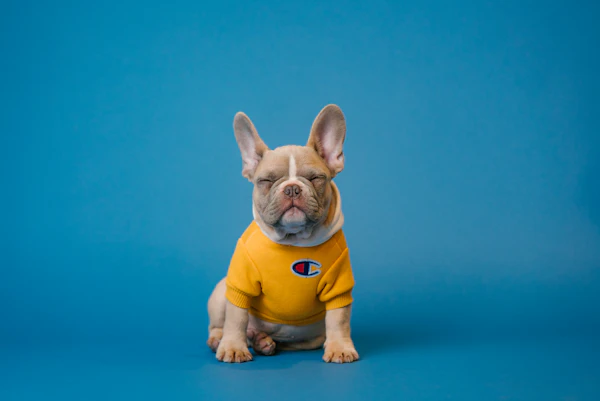
Welcome! Clean Paws Diet answers one question over and over: is this safe and good for my dog? If you only read one thing today, make it the list below. These are the common foods that send dogs to the vet.
Foods Dogs Should Never Eat
The foods below are listed by the ASPCA Animal Poison Control Center as risky for pets. How sick a dog gets depends on the amount eaten and the dog's size, so treat any of these as a reason to call your vet.
| Food | Why it is dangerous | Signs to watch for |
|---|---|---|
| Xylitol (sugar-free gum, candy, some peanut butters and baked goods) | Can cause a sudden drop in blood sugar and may lead to liver damage. | Vomiting, weakness, wobbling, seizures |
| Chocolate, coffee and caffeine | Contain methylxanthines. Dark and baking chocolate and cocoa powder are the most dangerous. | Vomiting, diarrhoea, restlessness, fast heart rate, tremors |
| Grapes and raisins | Can cause kidney damage. There is no known safe amount. | Vomiting, lethargy, drinking or urinating less or more |
| Onions, garlic, chives and leeks | Damage red blood cells and can cause anaemia, raw, cooked or powdered. | Weakness, pale gums, stomach upset (can appear days later) |
| Macadamia nuts | Toxic to dogs even in small amounts. | Weakness (often back legs), vomiting, tremors, fever |
| Alcohol | Absorbed quickly and can be life-threatening. | Vomiting, wobbling, slow breathing |
| Raw yeast dough | Expands in the stomach and produces alcohol. | Bloated belly, retching, wobbling |
| Cooked bones | Can splinter, cause blockages or injure the gut. | Gagging, vomiting, straining, belly pain |
| Very salty or fatty foods (ham, bacon, chips, fat trimmings) | Salt can cause poisoning; rich, fatty food can trigger pancreatitis. | Vomiting, diarrhoea, extreme thirst, painful belly |
If your dog ate something on this list
Do not wait for symptoms and do not make your dog vomit unless a vet tells you to. Call your veterinarian, or in the U.S. and Canada the ASPCA Animal Poison Control Center at (888) 426-4435 or Pet Poison Helpline at (855) 764-7661 (24/7, fees may apply).
Want the details? Read why ham is best kept off the menu and how to check peanut butter for xylitol.
Safe Snacks Most Dogs Love
These everyday foods are safe for most healthy dogs when prepared plainly and served in small portions. Each guide explains how much to give by dog size.
- Blueberries
- Strawberries
- Bananas
- Carrots
- Cucumbers
- Celery
- Sweet potatoes
- Potatoes (cooked only)
- Cottage cheese
- Peanut butter (xylitol-free)
Easy Homemade Treats
Simple recipes with short ingredient lists, calories per treat and storage tips.
- Peanut butter dog treats
- Pumpkin dog treats
- Blueberry oat bites
- Sweet potato chews
- Carrot and oat biscuits
- Frozen dog treats
- Dog ice cream
- Dog birthday cake
- Dehydrated chicken jerky
- Low-fat dog treats
Three Feeding Rules Worth Remembering
- Treats are extras. Keep treats and table foods to roughly a tenth of your dog's daily calories so their main food stays balanced.
- New food, small amount. Try a little, served plain, and watch for stomach upset over the next day or two.
- When in doubt, ask your vet. Puppies, seniors and dogs with health conditions can have different needs.
Health and Behaviour Guides
Start with why dogs eat poop and how to stop it, then browse our Nutrition & Health section.
How We Work
We are an independent publication. Our guides are based on veterinary and regulatory sources, and every article is fact-checked by a human editor. Read our Editorial Policy and our Veterinary Disclaimer.