
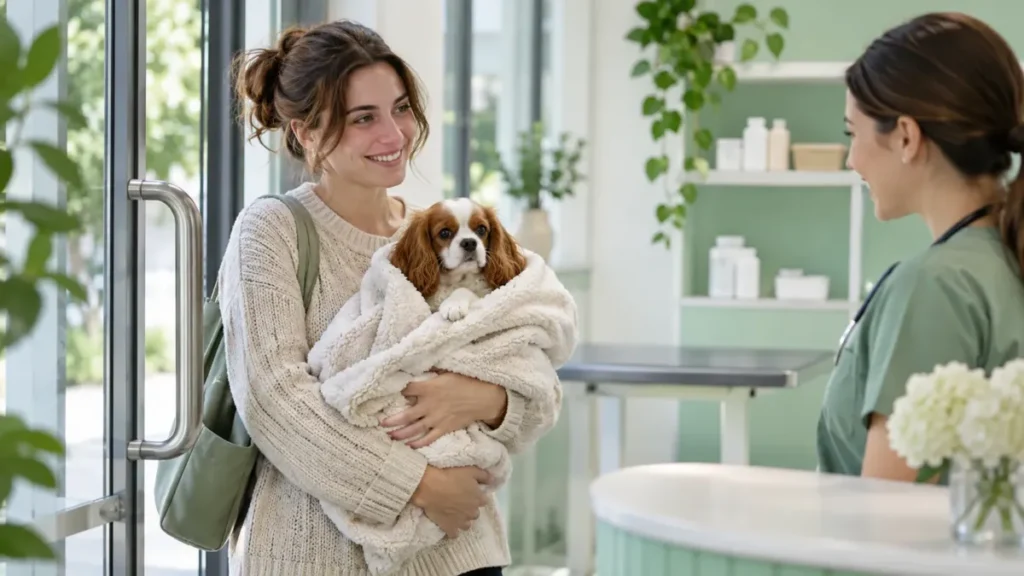

HGE in dogs (hemorrhagic gastroenteritis, now often called acute hemorrhagic diarrhea syndrome) is a sudden attack of large amounts of bloody, jam-like diarrhea, often with vomiting. It mostly affects small, otherwise healthy dogs and can dehydrate them within hours. With prompt IV fluids most dogs recover in a few days, so treat it as an emergency.
Main sign: sudden, foul-smelling, raspberry-jam diarrhea. Small and toy breeds are affected most. Fast fluid therapy is the key treatment; antibiotics are not always needed. Most dogs recover in 2 to 4 days with care, but untreated HGE can be fatal.

Table of Contents
What Is HGE in Dogs?
HGE is a sudden inflammation of the intestinal lining that lets blood and fluid leak into the gut. Dogs lose fluid very fast, which thickens the blood. Vets often see a very high red cell level (PCV) with normal or low protein, a pattern that helps point to HGE. The newer name, acute hemorrhagic diarrhea syndrome (AHDS), reflects that the main damage is in the intestines rather than the stomach. The Merck Veterinary Manual describes it in detail.
Symptoms of HGE
- Sudden, large volumes of bloody diarrhea, often red jelly-like or raspberry jam in look.
- Vomiting, sometimes with blood.
- Very foul smell.
- Lethargy, weakness and not eating.
- Signs of dehydration: tacky gums, sunken eyes, skin that tents.
- Belly pain or a hunched posture.
Go to a vet now. Small dogs can become dangerously dehydrated within hours. Don't wait overnight, and don't try home remedies first.
What Causes HGE in Dogs?
The exact cause isn't fully known. Research links many cases to toxins from Clostridium perfringens bacteria in the gut. Other possible triggers include:
- Diet changes, rich food or garbage.
- Stress and excitement.
- An immune reaction in the gut lining.
Toy and small breeds such as Yorkshire Terriers, Miniature Schnauzers, Toy Poodles, Miniature Pinschers and Maltese appear more often, usually young to middle-aged adults.
Is HGE in dogs contagious?
HGE itself isn't thought to spread like a virus, but parvovirus and some infections cause similar bloody diarrhea and are contagious. Your vet will rule these out, and it's wise to keep a sick dog away from others until you know.
How Vets Diagnose HGE
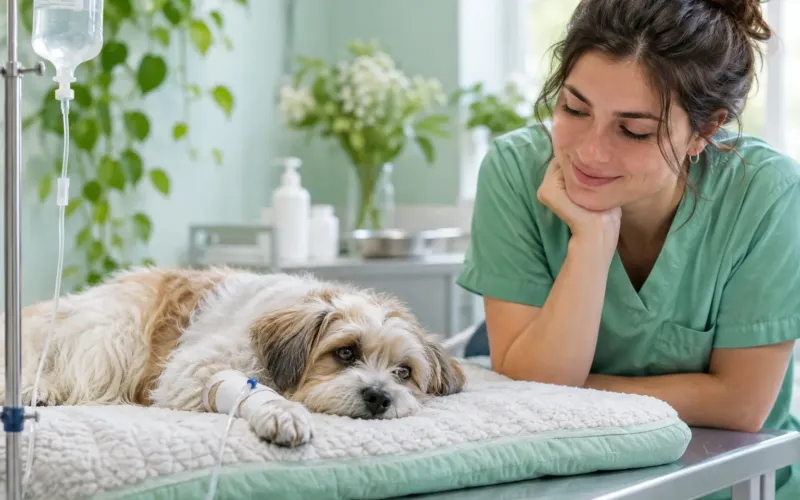
There's no single test. Vets combine the history and signs with blood work (high PCV), fecal tests, a parvovirus test and sometimes X-rays or ultrasound to rule out blockages, pancreatitis and toxins. Our blood in dog stool guide explains other causes your vet will consider.
HGE Treatment
| Treatment | Purpose |
|---|---|
| IV fluids | Replace lost fluid fast; the most important step |
| Anti-nausea medicine | Stop vomiting so the dog can rest and eat |
| Pain relief | HGE can be painful |
| Gut protectants | Soothe the intestinal lining |
| Antibiotics only if needed | Used for signs of sepsis or a damaged gut barrier |
| Early small meals | A low-fat, easily digested diet once vomiting stops |
Studies suggest uncomplicated HGE often recovers just as well without antibiotics, which is why many vets reserve them for sicker dogs. Most dogs stay in hospital for 1 to 3 days.
Can HGE be treated at home?
Not safely at the start. Home care follows a vet visit: giving any prescribed medicine, offering water, and feeding small bland meals. A dog that seems mild can worsen quickly.
Recovery Time and Diet After HGE
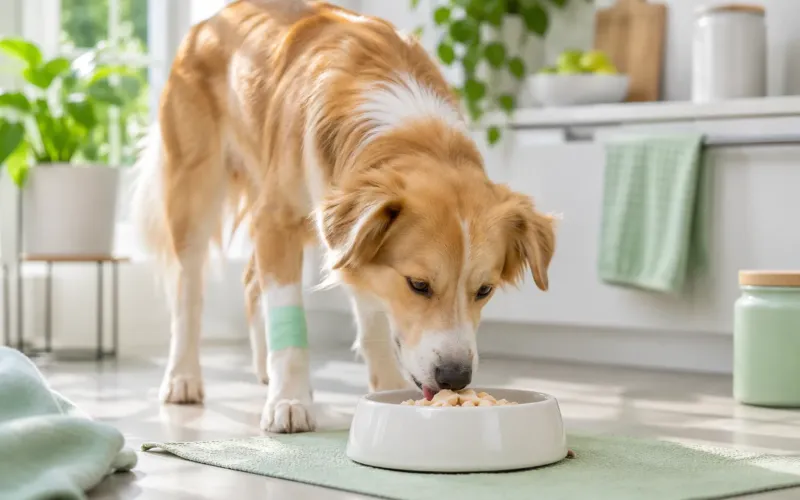
Most dogs improve within 24 to 48 hours of fluids and are back to normal in a few days. At home:
- Feed small, low-fat meals 3 to 4 times a day for several days. See bland diet for dogs.
- Move back to the regular food over 3 to 5 days.
- Your vet may suggest a gastrointestinal diet or a probiotic.
- Keep trash and rich food out of reach to lower the risk of a repeat; the ASPCA list of foods to avoid is a good reminder for the whole family.
Some dogs have more than one episode in their lives. Knowing the signs means you can act fast next time.
Is HGE Fatal?
With quick treatment, survival is high. Deaths are more likely when treatment is delayed, in very small dogs, or when complications like sepsis or clotting problems develop. That's why same-day vet care matters more than anything else.
How quickly should a small dog with bloody, jam-like diarrhea be seen? The same day, within a few hours. Small dogs can dehydrate dangerously fast.
Do most HGE dogs need antibiotics? No. Most recover with IV fluids, anti-nausea medicine and a bland diet. Antibiotics are kept for dogs with signs of sepsis.
— Dr. Sarah Miller, DVM
HGE: act fast
✓ What helps
- Same-day vet visit
- Note how much blood and vomiting
- Small low-fat meals after
- Slow return to normal food
✕ Don't
- Waiting overnight
- Home remedies first
- Rich food after recovery
- Assuming it is just diarrhea
Bloody diarrhea in a small dog is an emergency.
Frequently Asked Questions
How long does HGE last in dogs?
With treatment, the worst signs usually ease within 1 to 2 days, and most dogs recover in 2 to 4 days.
What does HGE poop smell like?
Owners often describe a strong, foul, metallic smell, different from normal diarrhea.
What triggers HGE in dogs?
The cause is often unclear. Bacterial toxins, diet changes, scavenging and stress are linked to some cases.
Can HGE come back?
Yes, a minority of dogs have repeat episodes. Feeding consistently and avoiding rich food may help lower the risk.
How much does HGE treatment cost?
It depends on your area and how sick your dog is. Hospital stays with IV fluids often cost several hundred to a few thousand dollars.
The Bottom Line
HGE in dogs looks frightening and moves fast, but most dogs recover well when they get IV fluids early. If your small dog suddenly has bloody, jam-like diarrhea or vomiting, go to a vet the same day, then help recovery with small, low-fat meals.
References & Sources
Written by CPD Nutrition Desk using the sources below. We are not affiliated with these organizations, and this guide is not a substitute for advice from your veterinarian.
- Merck Veterinary Manual — Acute hemorrhagic diarrhea syndrome in dogs
- ASPCA — ASPCA list of foods to avoid