


Freeze-dried dog food is usually raw meat, organs and produce that have been frozen, then had almost all their water pulled out under a vacuum. It’s light, shelf-stable and very tasty to most dogs. The trade-offs: freeze-drying doesn’t reliably kill bacteria, it costs more than kibble, and some bags are toppers, not complete meals.
Convenient and palatable, with real food-safety caveats. For a full diet, pick a product with an AAFCO “complete and balanced” statement, prefer brands that use high-pressure processing or cook first, and handle it like raw meat. Homes with young children, older adults or anyone immune-compromised should ask their vet first.
Table of Contents
What Is Freeze-Dried Dog Food?
The food is frozen solid, put in a vacuum chamber and gently warmed so the ice turns straight to vapor. It keeps its shape and aroma but weighs a fraction of the original: 100 grams of raw meat at about 70% moisture shrinks to around 30 grams, so a small scoop carries a lot of calories. Common forms:
- Nuggets or patties meant as full meals.
- Crumbles or “mixers” used as toppers.
- Single-ingredient pieces like liver, used as treats.
- Kibble with freeze-dried pieces or coating.
Some products are cooked before freeze-drying, so check the bag for “raw” or “cooked.”

Pros and Cons at a Glance
| Pros | Cons |
|---|---|
| Very palatable; tempts picky eaters | Raw versions can carry Salmonella and Listeria |
| Long shelf life, no freezer needed | Usually much pricier than kibble |
| Light for travel and camping | Some products are toppers only |
| Minimally processed | Easy to overfeed; adds no water if fed dry |
As PetMD notes, research hasn’t shown freeze-dried food is better than a good kibble; claims about coats and immunity are mostly anecdotal.
Is Freeze-Dried Dog Food Safe?
It depends on whether it’s raw. Removing water stops bacteria from multiplying but doesn’t reliably kill them, and rehydrating gives survivors what they need again. The FDA warns raw pet foods, freeze-dried included, can sicken pets and people, and dogs can shed germs while looking healthy. In 2025, after bird flu (H5N1) cases in cats were linked to raw food, the FDA required makers using uncooked poultry or dairy to address the virus in their food safety plans.
High-pressure processing (HPP) lowers bacteria without cooking but doesn’t remove all risk. Cooked freeze-dried products carry the lowest risk.
Freeze-Dried vs. Kibble, Air-Dried, Raw and Fresh
| Format | Moisture | Processing | Pathogen Risk | Storage |
|---|---|---|---|---|
| Freeze-dried (raw) | Very low | Frozen, vacuum-dried | Higher, lower with HPP | Pantry |
| Air-dried | Low | Gentle warm air | Moderate | Pantry |
| Dehydrated | Low | Low-heat drying | Lower to moderate | Pantry |
| Kibble | About 10% | Cooked at high heat | Low | Pantry |
| Frozen raw | High | Uncooked | Highest | Freezer |
| Fresh cooked | High | Gently cooked | Low | Fridge or freezer |
Want minimal processing with lower risk? Try a cooked freeze-dried or fresh cooked diet. Our raw food diet for dogs guide covers the raw side.
How to Read a Freeze-Dried Dog Food Label
- AAFCO statement: “complete and balanced” for your dog’s life stage means a full diet; “intermittent or supplemental feeding only” means a topper or treat.
- Life stage: large-breed puppies need a food covering their growth.
- Raw, HPP or cooked: good brands say so clearly.
- Calories per kg and per ounce or nugget, for portioning.
Single-protein recipes can help sensitive dogs, but plan true elimination trials with your vet (see dog food allergies).
How to Serve Freeze-Dried Food
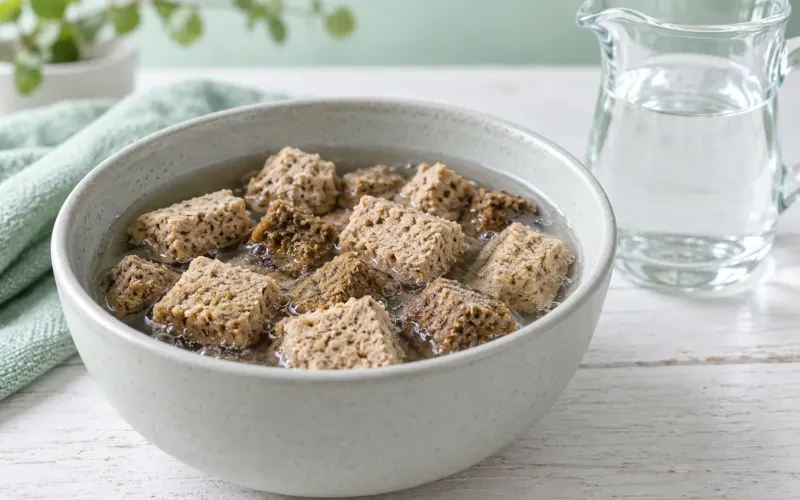
- Rehydrate as directed, usually with cool or lukewarm water for a few minutes.
- Handle it like raw meat: clean bowl and spoon, wash your hands.
- Pick up leftovers within the bag’s time limit, often about an hour.
- Reseal tightly and store cool and dry. Always offer fresh water.
How Much Freeze-Dried Food to Feed
Brands vary, so start with the bag’s guide. This example uses a food with 140 kcal per ounce:
| Dog’s Weight | Est. Daily Calories | As a Full Diet | As a Topper (~10%) |
|---|---|---|---|
| 10 lb (4.5 kg) | ~350 kcal | ~2½ oz | ~¼ oz |
| 25 lb (11 kg) | ~690 kcal | ~5 oz | ~½ oz |
| 50 lb (23 kg) | ~1,160 kcal | ~8¼ oz | ~¾ oz |
| 75 lb (34 kg) | ~1,580 kcal | ~11¼ oz | ~1 oz |
| 100 lb (45 kg) | ~1,960 kcal | ~14 oz | ~1½ oz |
Illustration only: neutered adult estimate (70 × kg0.75 × 1.6), dry weight before rehydrating.
Use a kitchen scale, and trim kibble by the same calories when topping. Our dog calorie calculator gives a personal starting number.
Switching to Freeze-Dried Food
Mix it in over 7 to 10 days, from a quarter of the meal to the full amount. Slow down if stools loosen, and call your vet if diarrhea lasts over a day or two or comes with vomiting. Smaller, firmer stools are usually normal; see dog constipation if your dog strains.
Who Is Freeze-Dried Food a Good Fit For?
- Picky eaters: a topper often sparks interest in kibble.
- Travel and camping: light and cooler-free until rehydrated.
- Seniors with small appetites: soft and aromatic once rehydrated.
- Dogs with kidney disease, pancreatitis or weak immunity: often high in protein and fat, so vet input first.
- Puppies: only products labeled for growth, after discussing raw feeding with your vet.
Is raw freeze-dried food a concern in homes with kids or seniors? Yes, I am cautious. Freeze-drying does not reliably kill bacteria like Salmonella, so I prefer cooked options in those homes.
Should it be rehydrated before serving? Usually yes. It adds water and is easier on the stomach.
— Dr. Sarah Miller, DVM
Freeze-Dried Food for Dogs: Quick Serving Guide
✓ Do
- Check the AAFCO statement on the bag
- Rehydrate as the label directs
- Wash hands and bowls after serving
- Weigh portions using the calorie info
✕ Don’t
- Assume freeze-drying kills bacteria
- Feed a topper-only product as a full diet
- Leave rehydrated food out for hours
- Forget fresh water when feeding it dry
Every dog is different. Puppies, seniors and dogs with health conditions should get their vet’s okay before switching foods.
Frequently Asked Questions
Is freeze-dried dog food better than kibble?
Not proven. It’s less processed and tasty, but kibble is cheaper and carries less bacterial risk.
Do you have to rehydrate freeze-dried dog food?
Many can be fed dry, but rehydrating softens the food and adds water. Follow your bag.
Does freeze-dried dog food need to be refrigerated?
Not while dry and sealed. Once rehydrated, treat it like fresh raw meat.
Can I mix freeze-dried food with kibble?
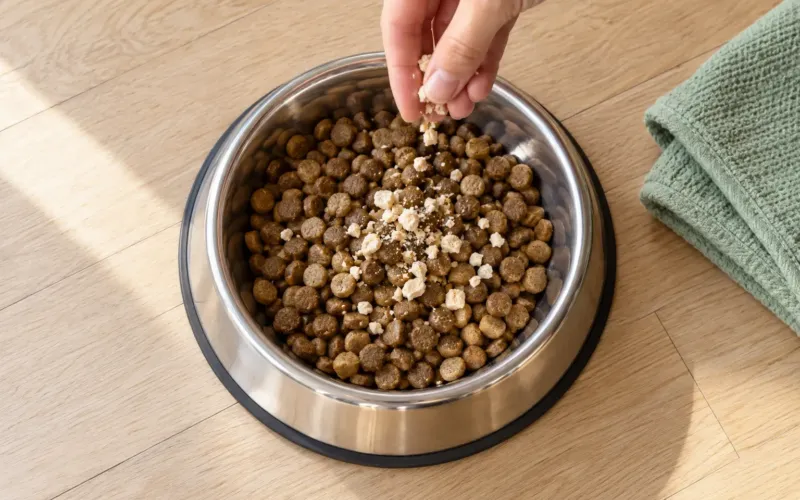
Yes. Crumble a little over complete kibble and reduce the kibble slightly.
Want the bigger picture? Our dog food guide covers choosing a food, portions and homemade meals.
The Bottom Line
Freeze-dried dog food is convenient and loved by most dogs, but it isn’t automatically healthier, and raw versions still carry germs. Choose a complete-and-balanced product for a main diet, look for a kill step, handle it like raw meat and portion by calories. Browse our Dog Food section or our Start Here page for more. This article is general information, not veterinary advice; see our Veterinary Disclaimer.
References & Sources
Written by CPD Nutrition Desk using the sources below. We are not affiliated with these organizations, and this guide is not a substitute for advice from your veterinarian.
- PetMD — Freeze dried dog food pros and cons
- U.S. Food and Drug Administration — Get facts raw pet food diets can be dangerous you and your pet
- U.S. Food and Drug Administration — Cat and dog food manufacturers required consider h5n1 food safety plans