
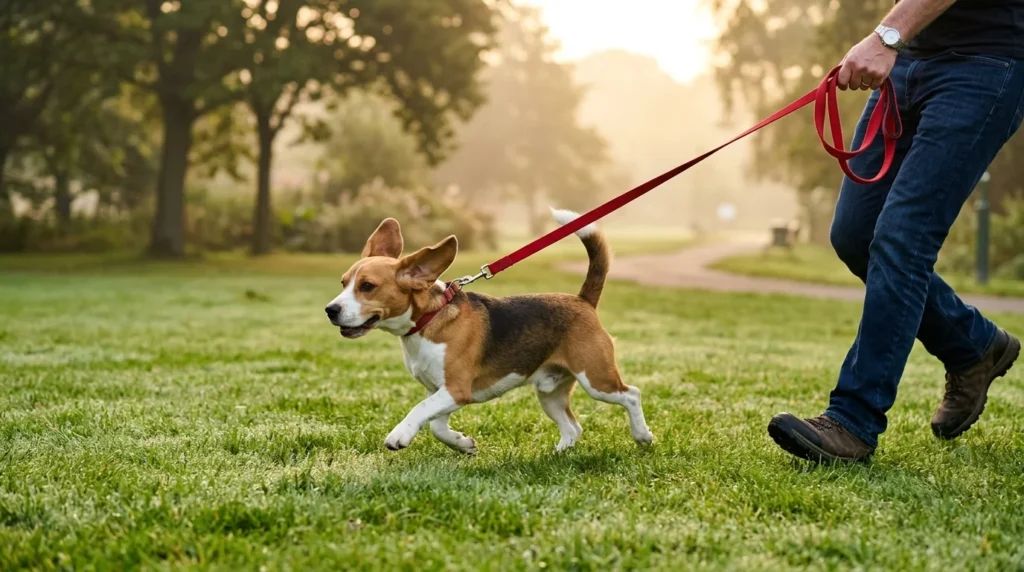

Dog constipation means pooping less often than usual, straining, or passing small, hard, dry stools. A dog that hasn’t pooped in over 48 hours deserves attention. Mild cases often improve with water, exercise and plain pumpkin, but straining can also signal a urinary blockage or obstruction. Here’s how to tell, safe remedies and when to see a vet.
For mild constipation: more water, wet food or a teaspoon of plain pumpkin per 10 lb, and extra walks. Call your vet after 48 hours or with vomiting or pain. Never use human laxatives or enemas, and treat a male dog straining to pee as an emergency.
Table of Contents
Signs of Constipation in Dogs
It’s easy to miss. Watch for:
- No bowel movement for more than 24 to 48 hours
- Straining, crouching for a long time, or several attempts with little result
- Small, hard, dry or pebble-like stools
- Crying or discomfort when trying to poop
- A little liquid or mucus passed around a hard stool (this can look like diarrhea)
- Scooting, a swollen or tender belly, reduced appetite
Is It Really Constipation? Check This First
Straining doesn’t always mean constipation. Mixing these up can delay urgent care:
| What you see | Likely problem | What to do |
|---|---|---|
| Squats to poop, little or hard stool comes out | Constipation | Home care if mild; vet if over 48 hours or other signs |
| Squats or lifts leg to pee, little or no urine, may cry | Urinary blockage or bladder problem | Emergency, especially in male dogs |
| Strains often, passes small amounts of soft stool with mucus or blood | Colitis (large-bowel diarrhea) | Call your vet; don’t give laxatives |
| Strains, vomits, won’t eat, belly painful | Possible obstruction | Emergency |
| Strains after eating bones; chalky, hard white or crumbly stool | Bone-related constipation | Call your vet |
What Causes Constipation in Dogs?
- Not enough water, especially on dry-food diets or in hot weather (see dehydration in dogs)
- Too little or too much fiber in the diet, or a sudden diet change
- Lack of exercise or reduced mobility
- Swallowed bones, hair, grass, fabric or toys
- Holding it: missed walks, stress or a new environment
- Medications: opioid pain relief, anesthesia, some antihistamines and iron
- Pain when squatting: arthritis, hip or back problems, anal gland issues
- Medical conditions: enlarged prostate in intact males, hernias, tumors, hypothyroidism, kidney disease and nerve problems
How Long Can a Dog Go Without Pooping?
| Time since last normal stool | What to do |
|---|---|
| Up to 24 hours | Often normal variation, especially after a light-eating day. Encourage water and a walk. |
| 24 to 48 hours | Start gentle home care; watch for straining, discomfort or appetite loss. |
| More than 48 hours | Call your vet. |
| Any time with vomiting, pain, a swollen belly or lethargy | See a vet promptly. |
| After surgery or anesthesia | It’s common not to poop for 1 to 3 days; follow your discharge instructions and call if it’s longer or your dog is uncomfortable. |
Safe Home Remedies for Mild Constipation
Only for a bright, eating, comfortable dog.
| Remedy | How to use it | Notes |
|---|---|---|
| More water | Fresh water everywhere; add water or low-sodium, onion-free bone broth to meals | The single most helpful step |
| Wet food | Replace part of the dry food for a few days | Adds moisture to the gut |
| Plain canned pumpkin | About 1 teaspoon per 10 lb mixed into a meal, once or twice a day | 100% pumpkin only, not pie filling |
| Exercise | Extra walks, ideally after meals | Movement stimulates the bowel |
| Fiber supplement (such as psyllium) | Only at the dose your vet gives | Too much fiber without enough water can make things worse |
| Olive or coconut oil | Not recommended without your vet | Little evidence; added fat can upset the stomach or trigger pancreatitis |
| Milk | Avoid | Often causes diarrhea and gas instead |

Never give your dog these
- Human enemas, especially phosphate-based ones, which can cause dangerous electrolyte problems in dogs
- Human laxatives or stool softeners unless your vet prescribes a specific product and dose
- Mineral oil by mouth, which can be inhaled into the lungs
- Anything inserted into the rectum at home
- Any product your dog swallowed by accident: if your dog ate human laxatives or medications, call your vet or the ASPCA Animal Poison Control Center
Go urgently for straining with no urine, vomiting, a painful belly, blood or a swallowed object.
How Vets Treat Constipation
Your vet may do a rectal exam and X-rays, then use fluids, a vet-given enema, prescription softeners or a special diet; severe cases need sedation. For recurring cases they’ll look for causes like prostate disease or megacolon (VCA overview).
Constipation in Senior Dogs
Dog constipation is more common with age: seniors drink and move less, and arthritis makes squatting painful. Put water near their bed, add wet food, keep walks short and frequent, and ask about pain relief (see glucosamine for dogs). Recurring episodes need a checkup.
Do Bones Cause Constipation in Dogs?
Yes. Bones produce hard, chalky stool, and cooked bones can splinter. Raw diets need balanced bone content (see raw food diet for dogs). Never feed cooked bones.
How to Prevent Constipation
- Keep fresh water available and add moisture to meals in hot weather.
- Feed a complete diet with appropriate fiber; switch foods gradually.
- Walk your dog at regular times so they don’t hold it.
- Keep long hair around the rear trimmed and clean.
- Prevent access to bones, trash, toys that can be swallowed and excess grass.
- Manage weight and joint pain so squatting stays comfortable.
Frequently Asked Questions
How much pumpkin should I give a constipated dog?
About 1 teaspoon per 10 pounds, once or twice daily with food and more water.
Why is my dog straining to poop but nothing comes out?
It could be constipation, but also colitis, an obstruction, a prostate problem or a urinary blockage that looks similar. If straining continues for more than a few hours, or your dog isn’t peeing, call your vet right away.
Is it normal for a dog to be constipated after surgery?
Yes, for a day or two. Call your vet if there’s no stool after about three days.
Can puppies get constipated?
Yes, often from swallowing objects, parasites or dehydration. Because puppies are at higher risk of blockages, call your vet if a puppy is straining or hasn’t pooped in a day.
For more health topics, see our dog nutrition and health guide.
The Bottom Line
Dog constipation usually responds to water, wet food, a little pumpkin and walks. Rule out urinary problems, skip human laxatives and enemas, and call your vet after 48 hours or for warning signs. See dog upset stomach, what to feed a dog with diarrhea or Nutrition & Health. This is general information, not veterinary advice; see our Veterinary Disclaimer.
References & Sources
Written by CPD Nutrition Desk using the sources below. We are not affiliated with these organizations, and this guide is not a substitute for advice from your veterinarian.
- ASPCA — ASPCA Animal Poison Control Center
- VCA Animal Hospitals — Constipation in dogs