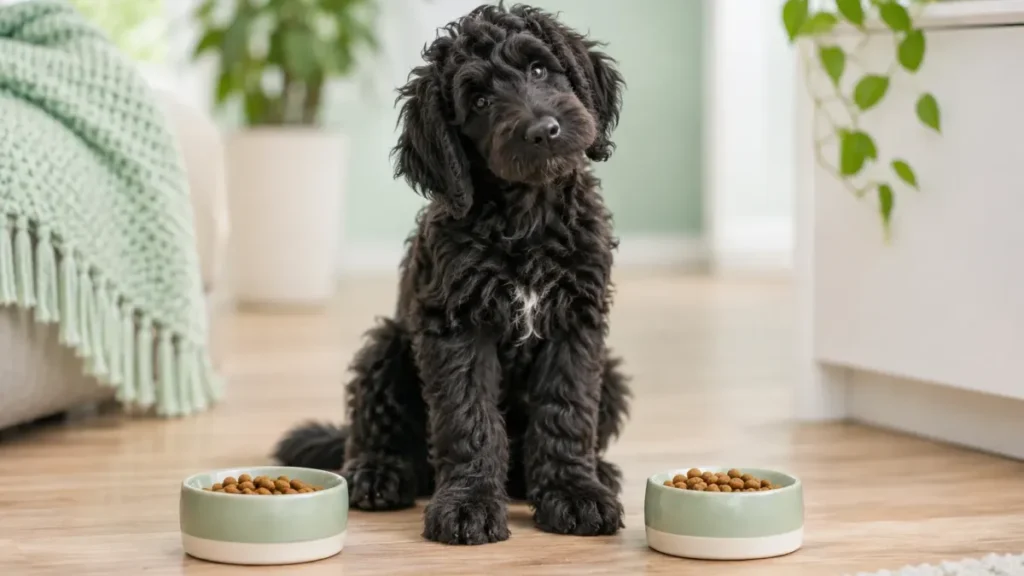

Grain free puppy food replaces wheat, corn, rice and other grains with ingredients like peas, lentils, chickpeas or potatoes. It isn't necessary for most puppies, and many vets prefer grain-inclusive puppy food because of the FDA's investigation into a possible link between some grain-free, legume-rich diets and a heart disease called dilated cardiomyopathy (DCM).
Grain allergies are rare in dogs, and puppies grow well on good grain-inclusive diets. If you choose grain free, pick a food that meets AAFCO growth standards (including large size growth if needed), is made by a company with veterinary nutritionists, and doesn't list peas or lentils as the main ingredients. Talk to your vet first.
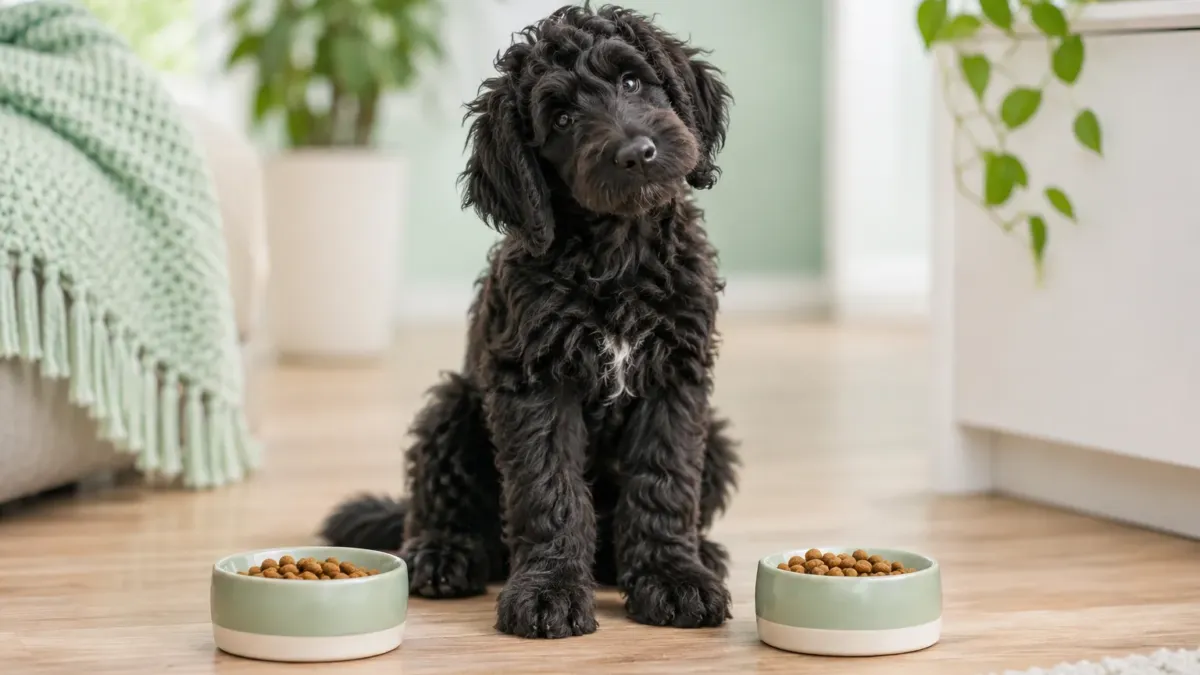
Table of Contents
What Is Grain Free Puppy Food?
Grain-free foods leave out cereal grains such as wheat, corn, rice, barley and oats. To replace those carbohydrates, many use legumes (peas, lentils, chickpeas, beans) and potatoes or sweet potatoes. "Grain free" describes the carbohydrate source; it says nothing about overall quality, calories or protein.
Grain Free Puppy Food and Heart Disease (DCM)
In 2018 the FDA began investigating reports of dilated cardiomyopathy in dogs eating certain diets, many labeled grain free and high in peas, lentils or potatoes. The FDA has not proven that these diets cause DCM, and research continues, but many veterinary cardiologists and nutritionists still advise caution.
| What we know | What's still unclear |
|---|---|
| Many reported cases ate grain-free or legume-heavy diets | Exactly which ingredient or factor is involved |
| Some dogs improved after a diet change and treatment | Why some dogs are affected and others aren't |
| Dogs of breeds not usually prone to DCM were affected | Whether risk differs for puppies |
Read the full background in our is grain free bad for dogs guide.
Signs of heart trouble include tiring easily, coughing, fast breathing at rest, fainting or a swollen belly. See a vet right away if you notice them.
When Might Grain Free Make Sense for a Puppy?
- A diagnosed allergy to a specific grain, confirmed with an elimination diet trial under your vet (see dog food allergies).
- Your vet recommends it for a particular medical reason.
- Owner preference alone is a weaker reason; if you go grain free, choose carefully.
Most food allergies in dogs are to proteins such as beef, dairy and chicken, not grains. A limited ingredient dog food or a vet-prescribed hydrolyzed diet is usually a better first step for itchy puppies.
How to Choose a Puppy Food (Grain Free or Not)
| Check | What to look for |
|---|---|
| AAFCO statement | "Growth" or "all life stages"; for big puppies, "including growth of large size dogs (70 lb or more)" |
| First ingredients | A named animal protein; legumes not dominating the top of the list |
| Company expertise | Board-certified veterinary nutritionist on staff; feeding trials (WSAVA guidelines) |
| Calories per cup | Lets you portion accurately |
| Kibble size | Right for your puppy's mouth |
Big-breed puppies have extra needs; read large breed puppy food and small breed puppy food for size-specific tips.
Are Grains Good for Puppies?
Whole and refined grains such as rice, oats and barley provide digestible energy, fiber and some B vitamins. Most puppies digest them well. Plain cooked rice and oatmeal are even used in bland diets for upset stomachs.
Feeding and Switching Puppy Food
- Meals: 4 per day at 8-12 weeks, 3 at 3-6 months, 2 after 6 months.
- Amount: start with the bag's chart and keep your puppy lean; see how much to feed a puppy.
- Switching: move from grain free to grain-inclusive (or the reverse) over 7-10 days (how to transition dog food).

What should puppy owners know about grain-free diets and DCM? The FDA is still investigating the link. Unless there is a medical reason, a grain-inclusive puppy food from an experienced manufacturer is the safer default.
When is grain-free a good choice for a puppy? Rarely, only when a diagnosed grain allergy or specific medical need calls for it, and with regular vet checkups.
— Dr. Sarah Miller, DVM
Choosing Grain Free Puppy Food
✓ Do
- Ask your vet first
- Check the AAFCO growth statement
- Limit legume-heavy formulas
- Switch over 7-10 days
✕ Don't
- Assuming grain free is healthier
- Guessing at a grain allergy
- Ignoring large-breed needs
- Missing heart warning signs
Most puppies do well with grains.
Frequently Asked Questions
Is grain free food bad for puppies?
It isn't proven to be harmful, but the FDA's DCM investigation is why many vets prefer grain-inclusive puppy food unless there's a medical reason.
Is grain free better for puppies with allergies?
Only if the puppy is allergic to a grain, which is uncommon. Protein allergies are more common.
Is grain free puppy food safe for large breeds?
Large breed puppies need controlled calcium and calories most of all. If you choose grain free, make sure it meets AAFCO large-size growth standards and discuss it with your vet.
Can I switch my puppy from grain free to regular food?
Yes. Mix the foods over 7-10 days to avoid stomach upset.
What should I feed instead of grain free?
A complete and balanced puppy food with grains from a company with strong nutrition expertise.
The Bottom Line
Grain free puppy food isn't needed for most puppies, and the open questions about DCM are why many vets suggest grain-inclusive diets. If you go grain free, choose a well-made food with an AAFCO growth statement and limited legumes, and keep your vet in the loop.
References & Sources
Written by CPD Nutrition Desk using the sources below. We are not affiliated with these organizations, and this guide is not a substitute for advice from your veterinarian.
- U.S. Food and Drug Administration — FDA began investigating
- WSAVA — Global nutrition guidelines