


It’s 6 a.m. and there’s a puddle of frothy white foam on the floor. A dog throwing up white foam can mean anything from an empty stomach to a true emergency. Here’s what the foam is, the likely causes, the warning signs that need a vet now, and safe home care.
- One episode, normal dog: a single bout in a bright, hungry dog is often minor, but keep watching.
- Emergency signs: retching with nothing coming up, a swollen belly, repeated vomiting, weakness or collapse need a vet now.
- Check for coughing: foam brought up after a cough points to the airways, not the stomach.
- No home remedies that cause harm: never use salt or human medicines to treat or trigger vomiting.
Table of Contents
What Does White Foam Vomit in Dogs Mean?
White foam is usually saliva, mucus and stomach fluid whipped up with air. It tends to appear on an empty stomach, often first thing in the morning.
First, work out what you actually saw:
| What you saw | What it looks like | Usually points to |
|---|---|---|
| Vomiting | Heaving belly, drooling and lip licking first | The stomach or upper intestines |
| Regurgitation | Effortless, often right after eating; little warning | The esophagus (food pipe) |
| Coughing up foam | A cough or honk, then a gag and a little froth | The throat, airways or lungs |
As the AKC notes, true vomiting involves strong belly contractions. A short video helps your vet.

Why Is My Dog Throwing Up White Foam? Common Causes
The most common causes, by urgency:
| Possible cause | Other clues | How urgent? |
|---|---|---|
| Empty stomach / acid irritation | Early morning or before meals, sometimes yellow bile; eats normally after | Mention at next vet visit |
| Eating grass or something odd | Grazing outside first, otherwise bright | Monitor |
| Upset stomach (gastroenteritis) | Raided the trash, new food, diarrhea | Call vet if it continues |
| Kennel cough or airway problems | Honking cough, foam after coughing | Vet visit |
| Pancreatitis | Repeated vomiting, painful belly, hunched posture, often after fatty food | Vet promptly |
| Swallowed object (blockage) | Can’t keep water down, missing toy, straining | Vet promptly |
| Poisoning | Drooling, tremors, wobbliness, access to toxins | Emergency |
| Bloat (GDV) | Retching with nothing coming up, swollen belly, restlessness | Emergency |
A general guide, not a diagnosis. Kidney disease, liver disease, parasites and infections such as parvovirus can also cause vomiting.
Grass is a frequent culprit (see why dogs eat grass). Regular morning foam is worth raising with your vet.
Is It an Emergency?
The key sign is unproductive retching: heaving with little or nothing coming up. The ACVS lists it, with drooling and a swelling belly, as an early sign of bloat, which is life-threatening and most common in large, deep-chested breeds.
Go to a vet or emergency clinic now if your dog:
- Is retching without bringing anything up, or has a tight, swollen belly.
- Vomits several times in a row or can’t keep water down.
- Has blood in the vomit, or vomit that looks like coffee grounds.
- Is weak, collapsing, breathing fast or seems in pain.
- May have eaten something toxic, a bone, a toy or another object.
- Is a young puppy, a senior, or has a known health condition.
A dog that vomits foam once, then eats and plays normally, can usually be watched at home.
Symptoms of Poisoning in Dogs
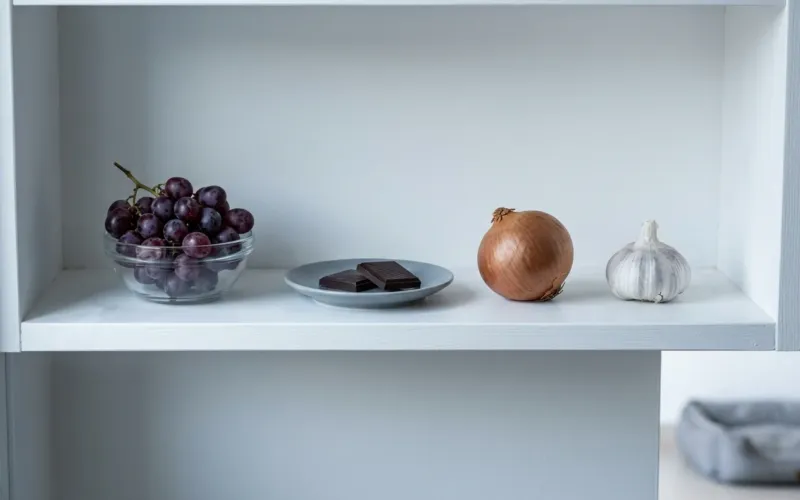
Toxins often cause sudden foamy vomiting. Watch for:
- Vomiting, diarrhea or heavy drooling
- Weakness, wobbliness or unusual sleepiness
- Tremors, twitching or seizures
- Pale gums, a racing heart or trouble breathing
Xylitol can drop blood sugar within 10 to 60 minutes (FDA); other poisons take hours or days. Call your vet or the ASPCA Animal Poison Control Center at (888) 426-4435, and don’t induce vomiting unless told to.
What to Do at Home After One Episode
- Watch closely for two to three hours to see whether signs settle.
- Offer fresh water in small amounts. Gulping a big bowlful can trigger another round.
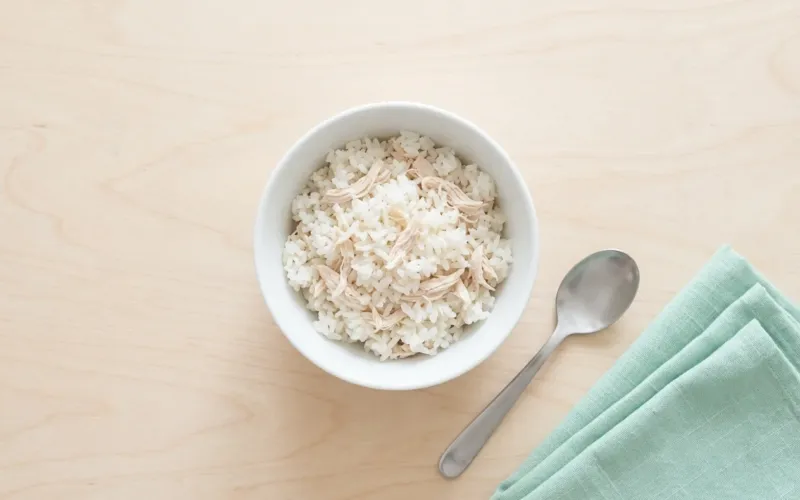
- Ask your vet about food. Often a short break, then small bland meals.
- Skip human medicines. Many common anti-nausea and stomach remedies are unsafe for dogs or mask a serious problem.
- Keep notes on how many times it happens, what it looks like and anything your dog may have eaten.
Never use salt to stop or start vomiting; it can cause salt poisoning (see why salty ham is risky).
How to Help Prevent Foamy Vomiting
- Avoid long gaps between meals if your dog tends to vomit foam on an empty stomach. Ask your vet whether splitting food into more meals or a small bedtime snack makes sense.
- Slow down fast eaters with a puzzle feeder or slow-feed bowl. Gulping food is one of the risk factors for bloat.
- Change foods gradually over about a week rather than overnight.
- Dog-proof the trash, counters and medicine cabinet.
- Keep vaccines and parasite prevention up to date, including kennel cough protection for dogs that board or visit daycare.
For recurring upsets, see our guide to probiotics for dogs.
Frequently Asked Questions
How can I treat my dog who is vomiting white foam at home?
For a single episode in an otherwise healthy adult dog, rest, small sips of water and close monitoring are usually enough. Ask your vet before changing meals, and get help right away if vomiting repeats or other symptoms appear.
What is the 24-hour rule for vomiting?
It’s a general guideline: a healthy adult dog that vomits once or twice but is otherwise bright can be monitored, while vomiting that continues for around a day, or happens many times, needs a vet. Emergency signs override the rule; puppies and seniors should be seen sooner.
Can salt stop vomiting?
No. Salt doesn’t stop vomiting, and giving salt to a dog can cause salt poisoning. Never use it as a home remedy.
How quickly will a dog show signs of toxicity?
Minutes to days, depending on the toxin. Don’t wait for symptoms; call right away.
Find related guides in our dog nutrition and health hub.
The Bottom Line
A dog throwing up white foam once and bouncing back is often minor. Repeated vomiting, unproductive retching, a swollen belly or possible poisoning need a vet right away. Skip salt and human medicines. More in Nutrition & Health. This is general information, not veterinary advice; see our Veterinary Disclaimer.
References & Sources
Written by CPD Nutrition Desk using the sources below. We are not affiliated with these organizations, and this guide is not a substitute for advice from your veterinarian.
- American Kennel Club (AKC) — Dog throwing up white foam
- ACVS — Gastric dilatation volvulus
- U.S. Food and Drug Administration — Paws xylitol its dangerous dogs
- ASPCA — ASPCA Animal Poison Control Center
- Merck Veterinary Manual — Salt toxicosis in animals