


A good senior dog diet keeps an older dog at a lean, healthy weight, protects muscle with enough quality protein, and adapts to changes in teeth, joints, kidneys and appetite. There's no single best senior food. Many healthy older dogs need slightly fewer calories but not less protein, while very old dogs often need more calories as they start to lose weight.
Most dogs are senior in the last quarter of their expected lifespan. Keep protein adequate, adjust calories to body condition, and check weight monthly. Omega-3s may help joints and brain aging. Kidney, liver or heart disease need a vet-prescribed diet, not a generic senior food.
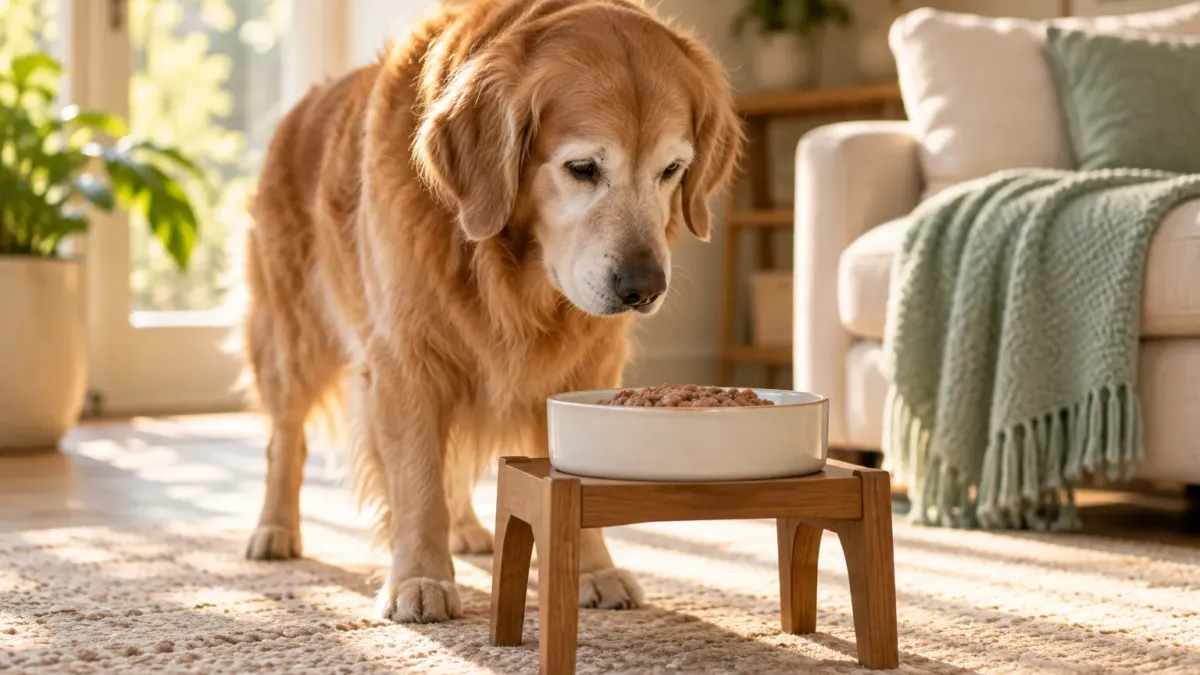
Table of Contents
When Is a Dog a Senior?
The AAHA senior care guidelines define senior as the last 25% of a dog's expected lifespan. Bigger dogs age faster:
| Size (adult weight) | Typical lifespan | Senior from about |
|---|---|---|
| Small (under 20 lb) | 13 to 16 years | 10 to 12 years |
| Medium (20 to 50 lb) | 11 to 14 years | 8 to 10 years |
| Large (50 to 90 lb) | 10 to 12 years | 7 to 9 years |
| Giant (over 90 lb) | 8 to 10 years | 6 to 7 years |
Approximate ranges; individual dogs and breeds vary.
What Changes in an Older Dog's Diet
| Nutrient | What seniors usually need | Why |
|---|---|---|
| Calories | Often 10% to 20% fewer in early senior years; more in very old, thin dogs | Activity drops, but appetite and muscle can fade later |
| Protein | Adequate to generous, high quality | Helps keep muscle; healthy seniors don't need restriction |
| Fat | Moderate | Energy without excess weight |
| Fiber | Moderate | Regularity and fullness |
| Omega-3 (EPA, DHA) | Often helpful | Joints, skin, possibly brain aging |
| Phosphorus and sodium | Controlled if kidney or heart disease | Only on vet advice |
Muscle loss is one of the biggest senior problems, so cutting protein “to protect the kidneys” in a healthy dog isn't recommended. Only dogs diagnosed with kidney disease need protein and phosphorus adjusted; see our kidney diet for dogs.
Choosing Food for Older Dogs
- Look for a complete and balanced statement for adult maintenance or all life stages. “Senior” has no official nutrient standard, so senior foods vary a lot.
- Match calories to body condition, not age. A thin senior may do better on a regular adult food.
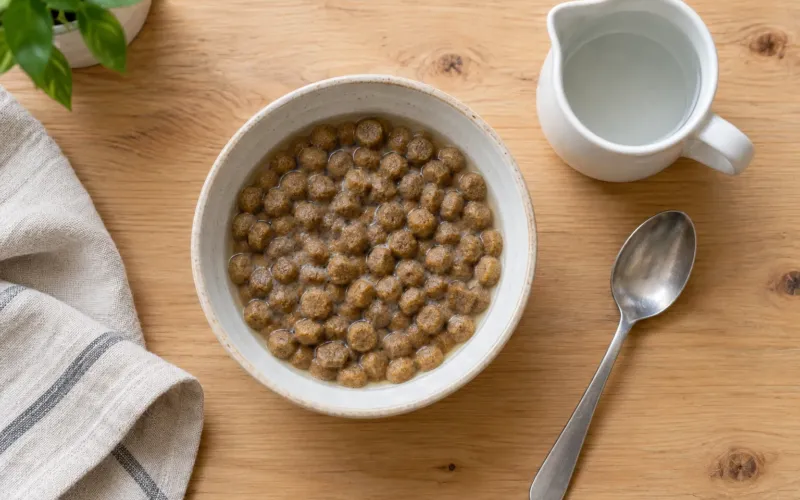
- Texture: dogs with dental pain may prefer wet food or kibble soaked in warm water. See wet vs dry dog food.
- Smell and warmth: warming wet food slightly can help a dog with a weaker sense of smell.
- Brain aging: some senior diets include antioxidants or medium-chain triglycerides studied for cognitive decline; ask your vet if your dog seems confused or restless at night.
Senior Dog Supplements: What Has Evidence?
| Supplement | Evidence | Notes |
|---|---|---|
| Omega-3 fish oil | Good for joints and skin | Ask your vet for a dose; see fish oil for dogs |
| Glucosamine and chondroitin | Mixed | Some dogs seem to benefit; see glucosamine for dogs |
| Probiotics | Some | Can help some dogs with stool quality |
| Multivitamins | Usually not needed | Not if the food is complete; see dog multivitamin |
Tell your vet about every supplement, since some interact with medications.
Feeding Tips for Older Dogs
- Weigh your dog monthly and adjust portions by about 10% if weight drifts.
- Split food into two or three smaller meals.
- Use a raised bowl if bending is uncomfortable.
- Keep fresh water close by; see how much water a dog should drink.
- Switch foods slowly over 10 to 14 days; see how to transition dog food.
See your vet if your senior dog loses weight without trying, eats less for more than a day or two, drinks or pees much more than usual, has trouble chewing, vomits or has diarrhea, or seems confused. These can be early signs of dental, kidney, liver, thyroid or other disease. Twice-yearly checkups are often recommended for seniors. See our veterinary disclaimer.
Should I cut protein for my older dog? Not if your dog is healthy. Older dogs lose muscle easily, so they need good-quality protein. Only kidney disease changes that.
What's the first sign owners should watch? Weight. Weigh your senior monthly; unexplained weight loss is often the earliest clue that something is wrong.
— Dr. Sarah Miller, DVM
Senior Dog Diet: Quick Guide
✓ What helps
- Weigh your dog every month
- Keep protein adequate
- Soften food for sore teeth
- Feed smaller, more frequent meals
✕ Don't
- Cut protein without a vet's advice
- Assume senior food fits every dog
- Ignore weight loss or less appetite
- Add many supplements at once
Senior dogs with kidney, liver or heart disease need a vet-prescribed diet.
Frequently Asked Questions
Do senior dogs need senior dog food?
Not always. Many do well on a complete adult food in the right amount. The best food depends on weight, health and appetite.
Should older dogs eat less protein?
Healthy seniors usually need adequate or even more high-quality protein to maintain muscle.
What can I add to my senior dog's food?
A spoonful of plain cooked chicken or pumpkin can help appetite. Keep toppers small and plain.
Why is my old dog losing weight?
It can be muscle loss, dental pain or illness. Any unexplained weight loss needs a vet check.
Is wet food better for senior dogs?
It can help dogs with dental problems or low thirst, but both wet and dry can work.
Find related guides in our dog nutrition and health hub.
The Bottom Line
A senior dog diet is about keeping muscle and weight steady as needs change: adequate protein, calories matched to body condition, a texture your dog can manage, and omega-3s if your vet agrees. Weigh monthly and see your vet about any weight loss or appetite change. More in our Nutrition & Health section.
References & Sources
Written by CPD Nutrition Desk using the sources below. We are not affiliated with these organizations, and this guide is not a substitute for advice from your veterinarian.
- aaha.org — AAHA senior care guidelines