


Can dogs eat grapes? No. Grapes and raisins can cause sudden kidney failure in dogs, and there is no known safe amount. Some dogs eat a handful with no problem while others get very sick from a few, and there’s no way to know which kind of dog you have. If your dog has eaten any grapes or raisins, call your vet now.
Never feed grapes, raisins, currants or sultanas. All colors, seeded or seedless, organic or not, fresh or dried. If your dog eats even one, contact your vet or an animal poison control line right away. Treatment works best when it starts before signs appear.
Table of Contents
Why Are Grapes Bad for Dogs?
For years, nobody knew why grapes poisoned dogs. In 2021, toxicologists at the ASPCA Animal Poison Control Center identified tartaric acid as the likely culprit, and later published research backed this up, as ASPCApro reports. Dogs appear to be especially sensitive to its effects on the kidneys.
The amount of tartaric acid varies a lot between grapes, depending on the variety, ripeness and growing conditions. That helps explain why reactions are so unpredictable. VCA Animal Hospitals notes that there is no well-established toxic dose and that some dogs react to small amounts.

Which Grape Foods Are Dangerous?
The risk isn’t limited to the fruit bowl. Here’s how common grape products compare:
| Food | Risk | Notes |
|---|---|---|
| Grapes (red, green, black, seedless, organic) | Dangerous | All types; peeling or removing seeds doesn’t help |
| Raisins and sultanas | Dangerous | Dried, so more fruit per bite; many vets consider them riskier ounce for ounce |
| Zante currants | Dangerous | These small dried grapes are often sold simply as “currants” |
| Baked goods with raisins | Dangerous | Raisin bread, cinnamon raisin bagels, oatmeal raisin cookies, fruitcake, hot cross buns |
| Trail mix and granola | Dangerous | Often contain raisins, and sometimes chocolate or macadamia nuts |
| Cream of tartar and tamarind | Use caution | Also contain tartaric acid; homemade playdough made with cream of tartar is a known risk |
| Grape juice and grape jelly | Avoid | Not clearly linked to the same kidney injury, but sugary and not worth the risk |
| Wine | Dangerous | Alcohol is toxic to dogs on its own |
Based on VCA Animal Hospitals and ASPCApro. When in doubt about any grape product, call your vet.
Black currants and red currants (the Ribes berries) are different plants from Zante currants. If you’re not sure which kind a recipe used, treat it as a grape product.
How Many Grapes Can Hurt a Dog?
There’s no safe number. Unlike chocolate, where vets can estimate risk from body weight, grape poisoning doesn’t follow a predictable dose. One dog may eat a bunch with no effect; another may develop kidney failure after a few. A dog that ate grapes once without trouble can still react the next time.
That’s why vets treat any grape or raisin ingestion as a potential emergency, even a single grape in a small dog. Most of our food safety guides include a portion table. For grapes, the only safe portion is zero.
Are some dogs at higher risk?
Any dog can be affected, regardless of breed, age or size. A few situations call for extra speed:
- Small dogs and puppies take in more fruit per pound of body weight from the same handful.
- Dogs with existing kidney disease have less kidney function to spare, and VCA lists pre-existing kidney problems among the factors that affect the outlook.
- Raisins and dried-fruit mixes pack many grapes into a small amount, so a few bites can be a larger dose than it looks.
- Unknown amounts, such as a dog found with an empty bag, should be treated as a large ingestion.
Symptoms of Grape Poisoning in Dogs
Signs often start within the first day and can get worse as the kidneys are affected. VCA describes this rough timeline:
| Time After Eating | What You May See |
|---|---|
| First 12-24 hours | Vomiting (sometimes with grape pieces), diarrhea, loss of appetite, tiredness |
| 24-48 hours | Belly pain, drinking and peeing more, dehydration, bad breath with an ammonia smell, weakness |
| 48-72 hours and later | Peeing much less or not at all, which is a sign of serious kidney failure |
Not every dog shows every sign, and some look fine at first. A normal-looking dog after eating grapes is not a reason to wait.
My Dog Ate Grapes: What to Do
- Stay calm and move your dog away from any remaining grapes or raisins.
- Work out what was eaten: grapes or raisins, about how many, and when. Keep the packaging or recipe if there is one.
- Call your vet, an emergency clinic or a poison control line right away, even if your dog seems fine.
- Don’t try home remedies. Giving hydrogen peroxide or salt to cause vomiting can cause harm. Your vet can do it safely if it’s still useful.
- Head in if advised. Bring your dog’s weight and any medication list.
How vets treat grape poisoning
Treatment aims to get the grapes out and protect the kidneys. It usually includes making your dog vomit if the ingestion was recent, activated charcoal to limit absorption, IV fluids, often for 48 hours or more, and repeat blood tests to check kidney values. VCA notes that dogs treated promptly, before symptoms start, generally have a good outlook. Once the kidneys stop producing urine, the outlook is much worse, which is why speed matters so much.

How to Keep Grapes Away From Your Dog
- Keep fruit bowls off low tables and counters your dog can reach.
- Tell kids and guests that grapes and raisins are never dog treats.
- Watch lunch boxes and snack bags, which often hold raisin boxes and trail mix.
- Be careful at holidays, when fruitcake, mince pies, stuffing and raisin breads are everywhere.
- Check grapevines in the yard and pick up fallen fruit.
- Store homemade playdough out of reach if it’s made with cream of tartar.
Safe Fruit Swaps for Grape Lovers
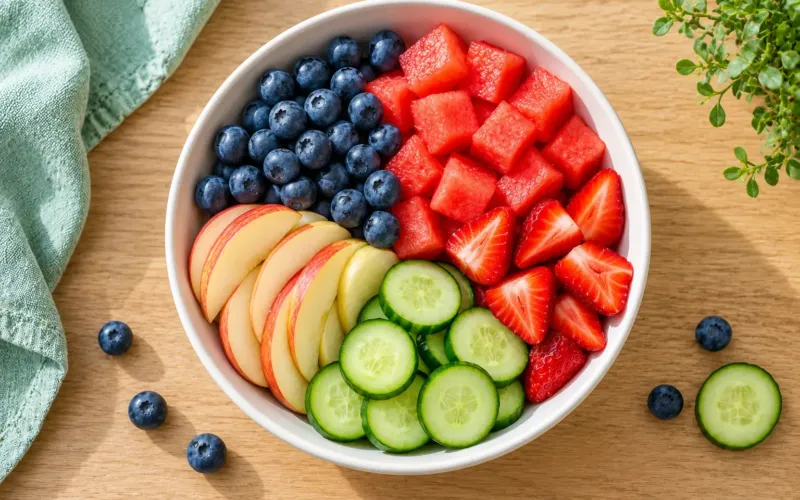
If your dog loves bite-size fruit, these are safe in small portions:
| Instead of Grapes, Try | Why It Works | Our Guide |
|---|---|---|
| Blueberries | Same bite size, low in calories | Blueberries |
| Watermelon cubes (seedless, no rind) | Juicy and hydrating | Watermelon |
| Strawberry pieces | Sweet, easy to cut small | Strawberries |
| Apple slices (no core or seeds) | Crunchy and low-fat | Apples |
| Cucumber rounds | Very low calorie | Cucumbers |
How fast should owners call? Right away, even if the dog seems fine. Treatment works best before signs start.
What does treatment involve? Usually we make the dog vomit, give activated charcoal, run IV fluids for about 48 hours, and repeat kidney bloodwork.
Can one or two grapes matter? Some dogs react to small amounts, and we can't predict which ones, so we treat every case seriously.
— Dr. Sarah Miller, DVM
Grapes and Dogs: Quick Safety Guide
✕ Risky
- Grapes of any color or variety
- Raisins, sultanas and currants
- Raisin bread, cookies and trail mix
- Waiting to see if symptoms appear
✓ Better swaps
- A few fresh blueberries
- Seedless watermelon cubes
- Cored apple slices
- Plain cucumber rounds
If your dog eats grapes or raisins, call your vet right away. Dogs with kidney or other health conditions should get their vet’s okay before any new treat.
Frequently Asked Questions
Will one grape hurt a dog?
It might. Many dogs that eat one grape are fine, but some react to very small amounts, and there’s no way to tell in advance. Call your vet even for one.
Can dogs have grapes if they are green or seedless?
No. Color and seeds don’t matter. Red, green, black, seeded and seedless grapes are all considered dangerous.
Can dogs eat grapes without the skin?
No. The risk isn’t only in the skin or seeds, so peeling a grape doesn’t make it safe.
My dog ate grapes but seems fine. Should I still call?
Yes. Kidney damage can start before any signs show, and treatment works best early. Call your vet or a poison control line now.
How long after eating grapes will a dog get sick?
Vomiting or diarrhea often starts within the first 12 to 24 hours. Kidney problems can follow over the next one to three days.
Can dogs eat raisins?
No. Raisins carry the same risk as grapes, and because they’re dried, a small handful holds a lot of fruit. Watch for them in baked goods and snack mixes.
Is grapeseed oil safe for dogs?
There’s little research on it. It hasn’t been linked to grape poisoning the way the fruit has, but it offers dogs nothing special, so it’s simpler to use a different oil.
For more foods, browse the full what can dogs eat list.
The Bottom Line
Can dogs eat grapes? No, and the same goes for raisins, currants and sultanas. Because no one can predict which dogs will react or how much is too much, treat every grape as an emergency and call your vet right away. Keep grapes and raisin foods out of reach, and reward your dog with safe fruits like blueberries or apple slices instead. For more food safety answers, browse our Can Dogs Eat? guides, or start with our Start Here page. This article is general information, not veterinary advice; see our Veterinary Disclaimer.
References & Sources
Written by CPD Nutrition Desk using the sources below. We are not affiliated with these organizations, and this guide is not a substitute for advice from your veterinarian.
- ASPCA — ASPCA Animal Poison Control Center
- Pet Poison Helpline — View source
- aspcapro.org — ASPCApro reports
- VCA Animal Hospitals — Grape raisin and currant poisoning in dogs