


Can dogs have rib bones? No, dogs should not have cooked rib bones, whether pork or beef. Cooking makes bones brittle, so they splinter into sharp pieces that can break teeth, cut the mouth and throat, or block and tear the stomach and intestines. Leftover ribs also carry fatty meat and sauces with salt, onion and garlic.
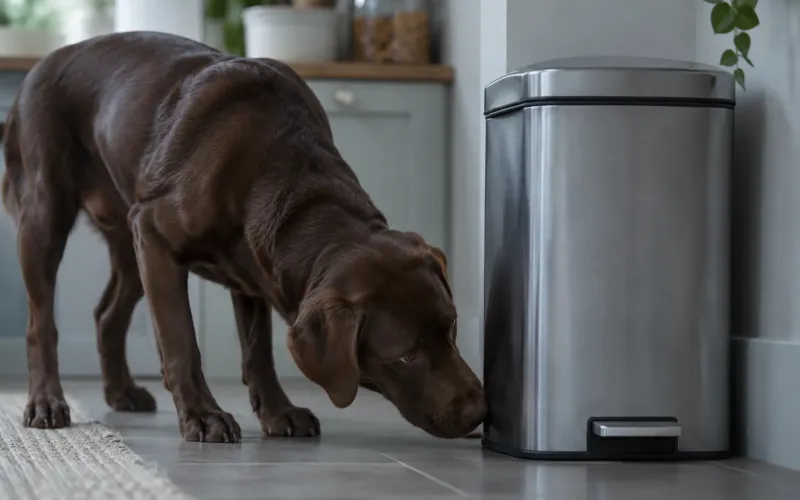
Keep cooked rib bones (BBQ ribs, short ribs, prime rib, pork ribs) away from your dog and secure the trash. If your dog already ate a rib bone, stay calm, don't make your dog vomit, and watch closely for 72 hours; call your vet if you see any warning sign or your dog is small.
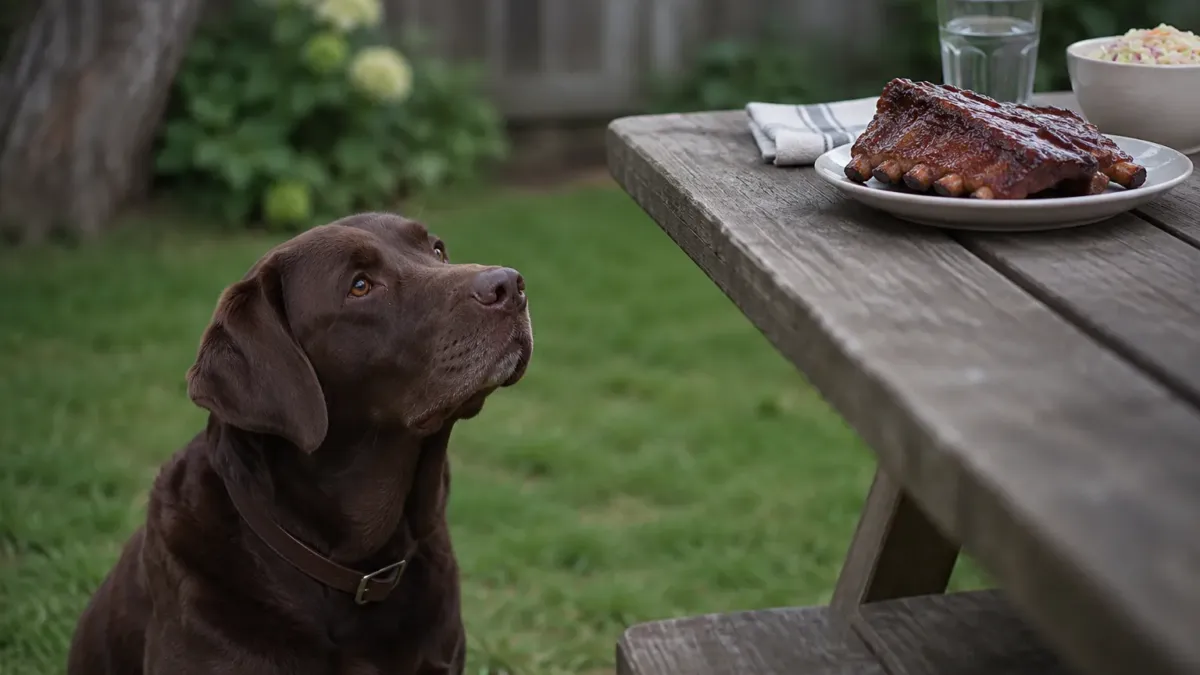
Table of Contents
Can Dogs Have Rib Bones? Why They Are Dangerous
Cooked bones splinter
Heat dries out bone, so rib bones crack into sharp, angled shards when chewed. The American Kennel Club and veterinarians warn that these pieces can injure the whole digestive tract.
| Risk | What can happen |
|---|---|
| Broken teeth | Fractured molars, often needing extraction |
| Mouth and throat injuries | Cuts, bones stuck across the roof of the mouth |
| Choking | Pieces lodged in the throat or windpipe |
| Stomach or gut blockage | Vomiting, belly pain, needs surgery in some cases |
| Perforation | A sharp shard punctures the gut wall; an emergency |
| Constipation | Bone fragments harden in the colon |
| Pancreatitis | From fatty rib meat and drippings |
Sauces and seasonings
BBQ sauce, dry rubs and marinades often contain onion and garlic powder, salt and sugar. Onions and garlic damage red blood cells, even as powder. The ASPCA lists both among the people foods to avoid feeding pets.
Raw Rib Bones vs Cooked: Are Raw Ones Safer?
Raw bones are softer and less likely to splinter, which is why some raw feeders use them. They still carry real risks: broken teeth, choking on small rib pieces, and bacteria like Salmonella that can affect your dog and your family. Rib bones are also small and thin compared with recreational bones meant for gnawing. If you're considering raw bones, talk to your vet first and read our raw food diet for dogs guide.
| Type | Splinter risk | Other risks | Our verdict |
|---|---|---|---|
| Cooked pork rib bones | High | Fat, sauce, salt | Avoid |
| Cooked beef rib / short rib / prime rib bones | High | Fat, seasoning | Avoid |
| Raw rib bones | Lower | Teeth, choking, bacteria | Only with vet advice |
| Rib meat, plain, cooked, boneless | None | Fat | Small lean bites only |
My Dog Ate a Rib Bone: What to Do
Right now
- Take away any remaining bones and check your dog's mouth for stuck pieces (only if safe).
- Don't make your dog vomit. Sharp shards can cause more damage coming back up.
- Call your vet, especially for small dogs, several bones, or a dog that seems uncomfortable. Ask whether a soft, bulky meal is advised for your dog.
- Note what was eaten: pork or beef, how many bones, and when.
Watch for 72 hours
Go to a vet now if you see gagging, pawing at the mouth, drooling, repeated vomiting, retching with nothing coming up, a hard or painful belly, straining to poop, black or bloody stool, weakness or lethargy.
- Check every stool for bone pieces and blood.
- Expect normal eating, drinking and energy; any change is a reason to call.
- Small fragments often pass in 1-3 days, but you can't tell from the outside which ones won't.
Safer Chews Than Rib Bones
- Vet-approved dental chews sized for your dog.
- Durable rubber chew toys you can stuff and freeze.
- Frozen carrots for big dogs.
- Homemade dehydrated dog treats or chicken jerky for dogs.
- A few bites of plain, boneless, lean cooked meat as a treat.

BBQ and Holiday Safety Tips
- Ask guests not to feed scraps from the table or grill.
- Use a lidded trash can or take bags out right away.
- Keep plates off low tables and counters.
- Give your dog a safe chew of their own during the meal.
What should I watch for over 72 hours after my dog swallowed a cooked rib bone? Vomiting, refusing food, gagging, a painful or bloated belly, straining to poop, black or bloody stool, and lethargy. Any of these needs a vet the same day.
Should I feed bread or a bulky meal after my dog eats bones? Don't do it without calling your vet first. In some cases a vet may suggest it, but it can make things worse if a bone is already lodged.
— Dr. Sarah Miller, DVM
Rib Bones & Dogs
✕ Risky
- Cooked pork or beef rib bones
- BBQ sauce and dry rubs
- Fatty rib drippings
- Unattended trash bags
✓ Better swaps
- Durable rubber chew toys
- Frozen carrots (big dogs)
- Plain boneless lean meat bites
- Homemade jerky treats
Dog ate a rib bone? Call your vet and watch 72 hours.
Frequently Asked Questions
Can dogs eat cooked pork rib bones?
No. Cooked pork rib bones splinter easily and the meat is fatty and seasoned. Keep them away from dogs.
Can dogs eat beef rib bones?
Cooked beef rib bones, including short ribs and prime rib, can also splinter. They aren't safe chews. Raw bones are a separate topic to discuss with your vet.
What happens if a dog eats a rib bone?
Many dogs pass small pieces without trouble, but a bone can break teeth, get stuck, block the gut or puncture it. That's why close watching and a call to your vet matter.
How long does it take a dog to pass a rib bone?
Small fragments usually pass within 1-3 days. Watch every stool and call your vet if your dog shows any signs of pain or vomiting.
Can I give my dog the meat off the ribs?
A small bite of plain, unseasoned, lean meat without bones is fine. Skip fatty pieces and anything with BBQ sauce or rub.
The Bottom Line
Can dogs have rib bones? Cooked rib bones are a firm no: they splinter, and leftovers bring fat and onion-garlic seasoning. If your dog eats one, don't induce vomiting, call your vet, and watch for 72 hours. For other meat questions, see can dogs eat pork and can dogs eat ham.
References & Sources
Written by CPD Nutrition Desk using the sources below. We are not affiliated with these organizations, and this guide is not a substitute for advice from your veterinarian.
- American Kennel Club (AKC) — Can dogs eat rib bones
- ASPCA — People foods avoid feeding your pets