
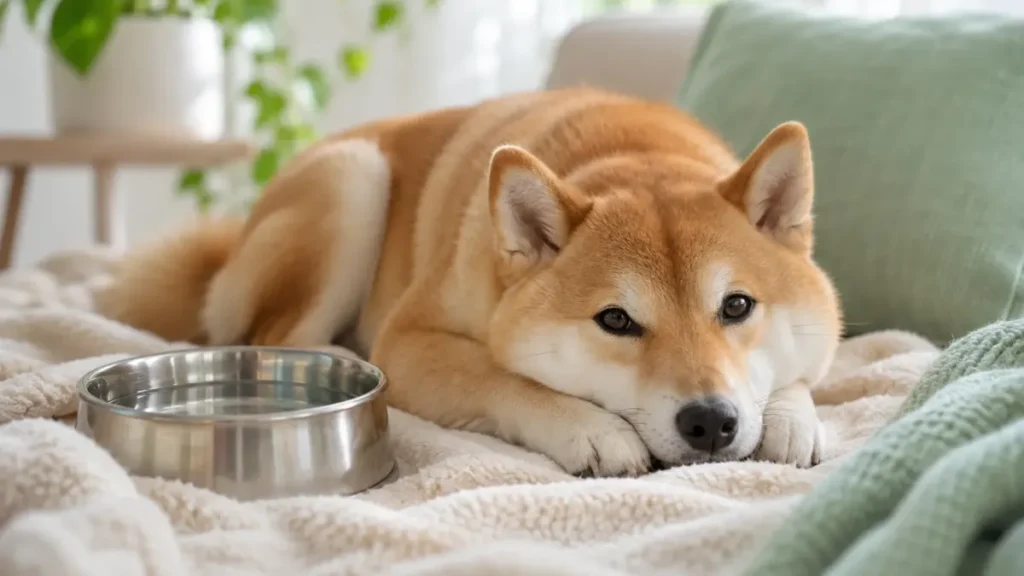

Dog loose stool and vomiting at the same time usually means an upset stomach (gastroenteritis), most often from eating something new, rich or spoiled. Many mild cases settle in 24 to 48 hours with rest, small sips of water and a bland diet. Blood, repeated vomiting, weakness, a swollen belly, or a puppy or senior dog means you should call your vet now.
Watch the whole dog, not just the stool: energy, gums, thirst and whether water stays down. One or two episodes in a bright, alert adult can be managed at home for a day. Anything worse, anything lasting past 24 hours, or any suspected toxin is a vet visit.

Table of Contents
Dog Loose Stool and Vomiting: Is It an Emergency?
Use this chart to decide what to do right now. When in doubt, call your vet; a short phone call is cheaper than waiting too long.
| What you see | What to do |
|---|---|
| Vomited once or twice, soft stool, still playful and drinking | Home care for 12-24 hours and watch closely |
| Still vomiting or loose after 24 hours, eating less | Call your vet today |
| Can't keep water down, or vomiting 3+ times in a few hours | Vet today, same day |
| Blood in vomit, black tarry stool, or red jelly-like diarrhea | Vet now |
| Swollen belly, retching with nothing coming up, restless | Emergency (possible bloat) |
| Pale gums, collapse, very weak or very cold | Emergency |
| Ate a toxin, bone, toy or sock | Call your vet or poison line now |
| Puppy, senior, or a dog with diabetes, kidney or heart disease | Call your vet early |
Young, unvaccinated puppies with vomiting and diarrhea need a vet the same day. Parvovirus can turn serious within hours.
What Causes Vomiting and Diarrhea in Dogs?
The American Kennel Club groups the causes into diet, infections, toxins and illness. Most cases of dog loose stool and vomiting fall into the first group.
Common, usually mild causes
- Dietary indiscretion: garbage, table scraps, fatty leftovers, a new treat or a dead thing found on a walk.
- A sudden food change: switching brands without a gradual transition.
- Stress: boarding, travel, fireworks or a new home.
- Mild food poisoning: spoiled or moldy food (see food poisoning in dogs).
Causes that need a vet
- Infections: parvovirus, other viruses, bacteria and parasites such as giardia and worms.
- Toxins: chocolate, xylitol, grapes, medications and plants.
- Foreign objects: toys, socks, bones or corn cobs that block the gut.
- Pancreatitis: often after a fatty meal; belly pain and repeated vomiting are common.
- Hemorrhagic gastroenteritis (HGE): sudden, profuse bloody diarrhea.
- Other illness: kidney or liver disease, Addison's disease, food allergy or inflammatory bowel disease.
How to Care for Your Dog at Home (Mild Cases)
This plan is for adult dogs that are bright, alert and keeping water down. It is not for puppies, seniors or dogs with health conditions; call your vet for those.
A 48-hour home-care timeline
| Time | What to do |
|---|---|
| First 6-12 hours | Rest the stomach: no food for adults, many vets suggest. Offer small sips of water or ice chips often. |
| When vomiting has stopped | Start a bland diet in very small meals every 3-4 hours. |
| Day 2 | If stools are firming, slightly larger bland meals 3-4 times a day. |
| Day 3-5 | Mix bland food with regular food: 75/25, then 50/50, then 25/75. |
| Any time | Stop and call your vet if vomiting returns, blood appears or energy drops. |
Bland diet and starting portions
The classic bland diet is boiled skinless chicken breast with plain white rice (about 1 part chicken to 2 parts rice), or plain canned pumpkin mixed in for fiber. Our chicken and rice for dogs guide shows how to cook it.
| Dog weight | First meal size | Meals on day 1 |
|---|---|---|
| 10 lb (4.5 kg) | 1-2 tablespoons | 4-6 small meals |
| 30 lb (14 kg) | about 1/4 cup | 4-6 small meals |
| 60 lb (27 kg) | about 1/2 cup | 4-6 small meals |
Typical starting amounts used in home care; increase slowly if the meal stays down for 2-3 hours. Ask your vet about exact amounts for your dog.
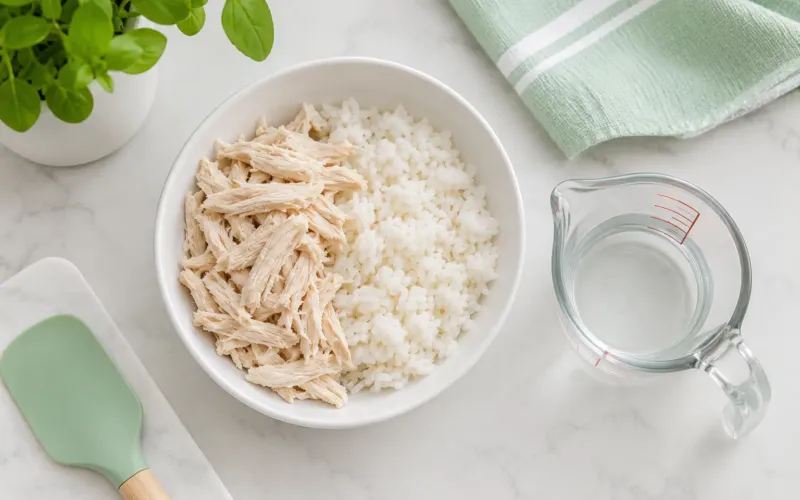
Keep your dog hydrated
Vomiting and diarrhea together drain water fast. Check for sticky gums, sunken eyes or skin that stays tented when gently pinched; those are signs of dehydration in dogs. Small, frequent drinks work better than one big drink, which can trigger more vomiting.
What Not to Give
- No human anti-diarrhea or stomach medicines unless your vet tells you the exact product and dose. Some contain ingredients that are dangerous for dogs.
- No fatty or rich food, dairy, bones or treats while the stomach settles.
- No large meals or big drinks right after vomiting stops.
- Don't wait days if your dog is getting worse; dehydration builds quickly.
What the Color Can Tell You
- Yellow foam or liquid: usually bile from an empty stomach (see dog vomiting yellow).
- White foam: stomach irritation or saliva (see white foam); dry heaving with a swollen belly is an emergency.
- Red streaks: fresh blood from the lower gut or stomach; call your vet.
- Black, tarry stool or coffee-ground vomit: digested blood; see a vet now.
- Gray, greasy stool: can point to fat digestion problems such as pancreatitis.

What Your Vet May Do
Your vet will ask about what your dog ate, vaccines and timing, then check hydration, gums and the belly. Depending on findings, they may run a fecal test, blood work or X-rays, and give fluids, anti-nausea medicine or a prescription gut diet. The UK charity PDSA explains common treatments for gastroenteritis.
How to Prevent It Next Time
- Change foods over 7-10 days.
- Keep trash, compost and fatty leftovers out of reach.
- Keep vaccines and parasite prevention up to date.
- Ask your vet if a probiotic makes sense for a dog with a sensitive stomach.
How long is it reasonable to watch at home when a healthy adult dog has vomiting and diarrhea? If the dog is bright, keeps water down and has no blood, about 24 hours. Call sooner for puppies, seniors, small breeds, repeated vomiting, blood, lethargy or a painful belly.
Should I fast my dog first, or offer small bland meals? Most dogs do better with small, frequent bland meals once vomiting has settled for a few hours, rather than a long fast. Puppies and toy breeds should never be fasted.
— Dr. Sarah Miller, DVM
Vomiting & Diarrhea at Home
✓ What helps
- Small sips of water often
- Bland meals: chicken and rice
- Slow return to normal food
- Watch energy and gums
✕ Don't
- Human medicines without your vet
- Fatty food, dairy or bones
- Big meals right away
- Waiting if blood appears
Puppies, seniors and any red flag: call your vet.
Frequently Asked Questions
Should I feed my dog if he is vomiting and has diarrhea?
For an otherwise healthy adult, many vets suggest resting the stomach for 6-12 hours, then offering small bland meals. Puppies, toy breeds and diabetic dogs should not go without food; call your vet instead.
How long do vomiting and diarrhea last in dogs?
Mild stomach upsets often improve within 24-48 hours. If vomiting continues past 24 hours or diarrhea past 2-3 days, see your vet.
My dog has vomiting and diarrhea but is acting normal. What should I do?
Offer water, rest the stomach briefly, then feed a bland diet and watch for 24 hours. If anything changes, or symptoms return, call your vet. Our guide on diarrhea when your dog is acting fine covers mild cases in more detail.
Can a dog get vomiting and diarrhea from stress?
Yes. Travel, boarding and loud events can upset the gut. It usually settles quickly, but still rule out other causes if it doesn't.
What can I give my dog for vomiting and diarrhea?
Water in small amounts and a bland diet such as chicken and rice. Don't give human medicines without your vet's advice.
The Bottom Line
Dog loose stool and vomiting is often a short stomach upset that clears in a day or two with rest, water and bland food. Know the red flags: blood, repeated vomiting, a swollen belly, weakness, toxins, puppies and seniors. For the full diarrhea diet, see what to feed a dog with diarrhea.
References & Sources
Written by CPD Nutrition Desk using the sources below. We are not affiliated with these organizations, and this guide is not a substitute for advice from your veterinarian.
- American Kennel Club (AKC) — Dog diarrhea
- pdsa.org.uk — Gastroenteritis stomach upset in dogs