
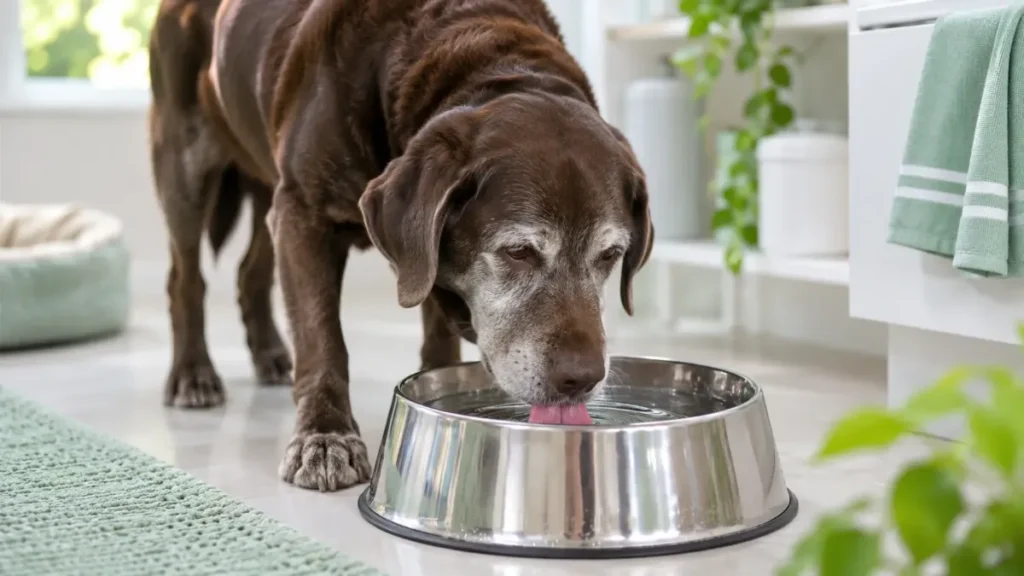

Kidney disease in dogs means the kidneys can no longer filter waste and balance water and minerals as well as they should. Chronic kidney disease (CKD) develops slowly, mostly in older dogs, while acute kidney injury comes on suddenly after toxins or infection. Early signs are drinking and peeing more; diet and vet care can slow it down.
Watch for increased thirst and urination, weight loss, poor appetite, vomiting and bad breath. Vets stage CKD from 1 to 4 using blood and urine tests. A kidney diet lower in phosphorus is one of the best proven ways to slow it. Grapes, raisins, antifreeze and some pain pills can cause sudden kidney damage.
Table of Contents
What Is Kidney Disease in Dogs?
Healthy kidneys remove waste products from the blood, keep water balance, control blood pressure, and help make red blood cells. Dogs have a large reserve, so signs usually appear only after most kidney function is already lost. That is why routine blood and urine tests in senior dogs matter so much.
Chronic vs acute
Chronic kidney disease is slow, permanent loss of function over months or years, often linked to aging, genetics or past damage. Acute kidney injury is sudden damage, for example after eating grapes or raisins, drinking antifreeze, taking human pain relievers, or infections like leptospirosis. Some acute cases can recover with fast treatment.
Symptoms of Kidney Disease in Dogs
- Drinking and peeing more, or accidents in the house. See dog drinking a lot of water.
- Weight and muscle loss.
- Picky appetite or refusing food; read dog not eating.
- Vomiting, sometimes diarrhea.
- Bad breath with an ammonia smell, or mouth ulcers.
- Lethargy, weakness and pale gums from anemia.
Sudden signs need a vet now: vomiting with little or no urine, weakness after eating grapes, raisins or medication, or any chance your dog drank antifreeze. Call the ASPCA Animal Poison Control Center on the way.
The 4 Stages of Kidney Disease in Dogs
Vets use the IRIS staging system, based mainly on blood creatinine and SDMA, then add urine protein and blood pressure.
| IRIS stage | What it means | Typical signs |
|---|---|---|
| Stage 1 | Early changes, kidney function mostly kept | Often none; found on tests |
| Stage 2 | Mild loss of function | Maybe more thirst and urination |
| Stage 3 | Moderate loss, waste builds up | Poor appetite, weight loss, vomiting |
| Stage 4 | Severe loss | Very unwell, needs intensive support |
Simplified summary. Your vet will explain your dog's exact numbers.

What Causes Kidney Disease in Dogs?
- Aging, the most common factor for CKD.
- Breed and genetics: some breeds have inherited kidney problems.
- Toxins: grapes and raisins, antifreeze (ethylene glycol), some human medicines. See can dogs eat grapes.
- Infections: leptospirosis and kidney infections.
- Other diseases such as high blood pressure and urinary blockages.
Treatment Options
CKD can't be cured, but treatment can keep many dogs comfortable for a long time:
- Kidney diet: the single most researched step. Renal diets limit phosphorus, use moderate high-quality protein, and often add omega-3s.
- Fluids: some dogs get fluids under the skin at home.
- Medicines for nausea, appetite, blood pressure, urine protein and high phosphorus.
- Regular rechecks every few months to adjust the plan.
What to Feed a Dog With Kidney Disease
Food is where owners make the biggest difference. Our full kidney diet for dogs guide covers prescription foods, homemade plans and treats. Quick rules:
- Follow your vet's food choice; don't swap to high-protein or raw diets on your own.
- Avoid high-phosphorus extras like jerky, bones, cheese and organ meats in large amounts.
- Use low-phosphorus treats such as apple slices, green beans or blueberries.
- Keep fresh water available at all times; never limit water for a CKD dog.
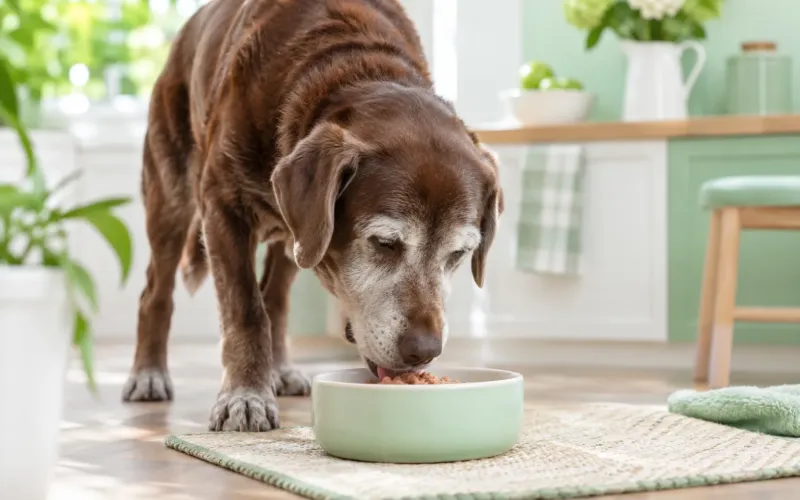
- Warm food slightly to boost appetite.
Can homemade food help?
Yes, if it is formulated by a board-certified veterinary nutritionist. Homemade kidney diets put together without help often contain too much phosphorus or not enough of key nutrients.
Life Expectancy
It varies widely. Dogs diagnosed in stage 1 or 2 can live for years with good management, while stage 4 dogs may have weeks to months. Appetite, weight, and how well the dog responds to diet and fluids all affect the outlook.
At what age do you recommend yearly kidney blood and urine tests? Yearly from about age 7 in most dogs, and earlier for giant breeds. Adding SDMA and a urine test catches changes sooner than creatinine alone.
How much difference does a kidney diet make? A lot. Prescription kidney diets with less phosphorus are one of the few treatments shown to help dogs live longer with chronic kidney disease.
— Dr. Sarah Miller, DVM
Kidney health habits
✓ What helps
- Senior blood and urine tests
- Fresh water always
- Vet-chosen kidney diet
- Low-phosphorus treats
✕ Don't
- Grapes and raisins
- Human pain pills
- Jerky and bones
- Limiting water
Ask your vet before changing a kidney diet.
Frequently Asked Questions
Is kidney disease in dogs painful?
CKD itself isn't usually described as painful, but nausea, mouth ulcers and dehydration make dogs feel unwell. Treatment aims to control those signs.
Can kidney disease in dogs be reversed?
Chronic damage can't be reversed. Acute kidney injury sometimes improves with fast, intensive treatment.
What foods should dogs with kidney disease avoid?
High-phosphorus and very salty foods: jerky, bones, processed meats, cheese and many commercial treats. Grapes and raisins are always off limits.
How is kidney disease in dogs diagnosed?
With blood tests (creatinine, SDMA, BUN, phosphorus), a urinalysis, urine protein testing and blood pressure. Imaging may also help.
Should my senior dog get kidney tests?
Many vets recommend yearly blood and urine tests from middle age, and every 6 months for seniors, to catch changes early.
The Bottom Line
Kidney disease in dogs is common in older dogs and often silent at first. Watch for extra thirst, weight loss and poor appetite, keep toxins like grapes and antifreeze away, and work with your vet on staging and a kidney diet to keep your dog comfortable longer.
References & Sources
Written by CPD Nutrition Desk using the sources below. We are not affiliated with these organizations, and this guide is not a substitute for advice from your veterinarian.
- ASPCA — ASPCA Animal Poison Control Center
- iris-kidney.com — IRIS staging system