

About one in six dogs eats poop regularly, according to a UC Davis survey of more than 1,500 owners, so you’re far from alone. Why do dogs eat poop when they have a full bowl? Usually it’s normal canine behavior, but sometimes it points to a health problem. Here’s what drives it, when it’s risky, and what helps.
It’s gross, but usually not serious. Eating stool (coprophagia) is common in puppies and many healthy adults. A sudden new habit, weight loss or nonstop hunger deserves a vet visit. The best fix: clean up right away and supervise.
Table of Contents
What the Research Says
The best-known study on this topic, published in 2018 in Veterinary Medicine and Science by Dr. Benjamin Hart’s team, found that:
- 16% of dogs ate stool often (seen at least six times), and 23% had done it at least once.
- Over 80% of poop eaters went for fresh stool, no more than two days old.
- Dogs described as greedy eaters and dogs living in multi-dog homes were more likely to do it.
- Diet type and age made no clear difference.
That preference for fresh stool supports the researchers’ leading theory. Wolves keep their dens clean by eating fresh droppings before parasite eggs inside them have time to hatch into the infective stage. Many dogs may have inherited that cleanup instinct.
Why Do Dogs Eat Poop? The Most Common Causes
There’s rarely just one reason. This table sorts the usual suspects:
| Type of Cause | Examples | Clues to Watch For |
|---|---|---|
| Instinct | Den-cleaning behavior; mothers cleaning up after newborn puppies | Targets fresh stool, otherwise healthy |
| Puppy curiosity | Exploring the world with their mouth | Young dog, often fades with age |
| Behavior and environment | Boredom, stress, confinement, seeking attention, being scolded for accidents | Happens when alone or after being punished |
| Medical | Intestinal parasites, malabsorption, diabetes, Cushing’s disease, thyroid disease, steroid medications | New habit in an adult dog, weight loss, constant hunger, loose stool |
Medical causes listed by the American Kennel Club. Only a vet can rule these out.
The AKC also warns that harsh house-training can backfire. A dog punished for accidents may learn to “hide the evidence” by eating it.
Is It Unhealthy for a Dog to Eat Poop?
A dog eating its own fresh stool is mostly an unpleasant habit, not a big health threat. The bigger risk comes from other animals’ poop, which can spread:
- Intestinal parasites such as roundworms, hookworms and whipworms
- Giardia, a gut parasite the CDC notes spreads through contaminated stool
- Viruses like parvovirus, which is especially dangerous for unvaccinated puppies
Cat litter boxes and farm animals add their own problems. Clumping litter can upset the stomach. Horse manure can contain dewormers such as ivermectin, which can be toxic to dogs, especially herding breeds with the MDR1 gene mutation, according to the Pet Poison Helpline.
Which Dogs Are Most Likely to Do It?
Breeds: In the UC Davis survey, terriers and hounds were the groups most likely to eat stool. Shetland Sheepdogs ranked high among individual breeds, and Poodles ranked lowest. Any dog can pick up the habit, though.
Age: Puppies are the most common offenders. The AKC says most puppies grow out of it by around nine months old. If it continues into adulthood or appears suddenly in an older dog, talk to your vet.
How to Break the Habit
Here’s the honest part. In the same study, owners reported that commercial “stop eating poop” chews and powders worked only 0 to 2% of the time. Training alone did not do much better. What tends to work is a combination of management and patience:
| Situation | What to Try |
|---|---|
| Your own yard | Pick up stool right away, ideally within minutes |
| On walks | Keep your dog leashed and practice “leave it” and “come” with high-value rewards |
| Multi-pet home | Put the litter box behind a baby gate or in a covered box your dog can’t reach |
| Boredom or stress | Add walks, puzzle feeders and chew toys; avoid long stretches of confinement |
| Right after they do it | Call them away calmly; scolding can make the habit sneakier |
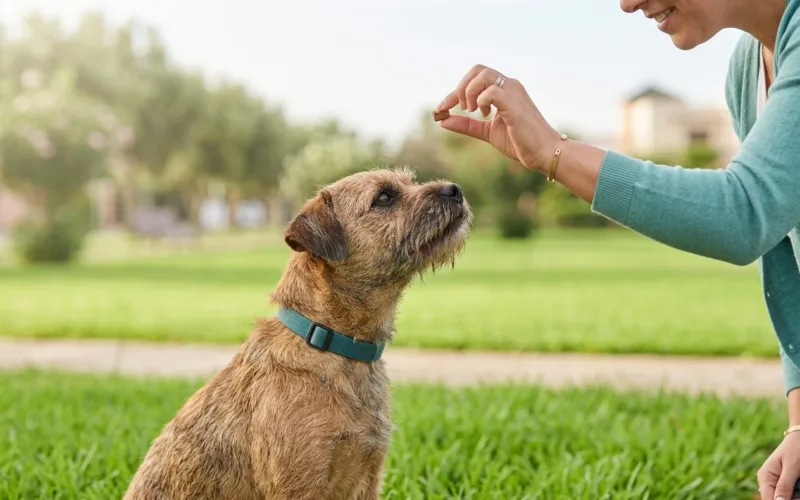
A neat trick: call your dog to you for a treat right after they poop. Over time, they learn that finishing their business means running to you, not turning around.

Can Diet or Vitamins Help?
For a healthy dog on a complete and balanced diet, there’s no proven nutrient gap behind the habit. Some vets suspect a vitamin B shortfall or poor digestion, but the evidence is thin, so ask your vet before adding supplements.
A few diet steps are still worth checking:
- Feed a complete, balanced dog food in the right amount for your dog’s weight.
- Split daily food into two or three meals if your dog seems constantly hungry.
- Avoid sudden food changes, which can upset digestion.
- Don’t rely on pumpkin, pineapple or meat tenderizer “hacks.” There’s no good research showing they work.
Call your veterinarian if your dog:
- Suddenly starts eating poop as an adult or senior
- Is losing weight or seems hungry all the time
- Has diarrhea, vomiting or worms in their stool
- Ate horse or livestock manure, or a lot of cat litter
Your vet may suggest a stool test to check for parasites and bloodwork to look for other causes.
Stopping Poop Eating: What Helps
Do
- Pick up waste right away
- Teach a solid "leave it" on leash walks
- Add exercise, chews and puzzle toys
- See your vet if it starts suddenly
Don't
- Punish your dog after the fact
- Leave the litter box within reach
- Rely on taste-deterrent powders alone
- Assume it is just a phase in adult dogs
Every dog is different. Check with your veterinarian first if your dog has a health condition or a sensitive stomach.
Frequently Asked Questions
What should I give my dog if they eat poop?
Usually nothing special. Offer fresh water and watch for vomiting or diarrhea over the next day or two. Don’t try to make them vomit. If they ate another animal’s stool, ask your vet whether a stool test or deworming makes sense.
At what age do dogs stop eating their own poop?
Most puppies outgrow it by around nine months. Some adults keep the habit for life, which is why prompt cleanup matters.
What can I put in my dog’s food to stop it?
Taste-deterrent additives are widely sold, but owner-reported success in the UC Davis study was very low. They may be worth a try alongside cleanup and training, not instead of them.
Why does my dog eat cat poop?
Cat food is high in protein and fat, so cat stool can smell tempting to dogs. Keeping the litter box out of reach is the most reliable fix.
Browse every topic, from tummy trouble to supplements, in our dog nutrition and health guide.
The Bottom Line
Why do dogs eat poop? For most, it’s old instinct mixed with curiosity, boredom or a big appetite, not a missing nutrient. Get any sudden change checked by your vet, keep your yard clean, and reward your dog for coming to you instead. Explore more in our Nutrition & Health guides. This article is general information, not veterinary advice; see our Veterinary Disclaimer.
References & Sources
Written by CPD Nutrition Desk using the sources below. We are not affiliated with these organizations, and this guide is not a substitute for advice from your veterinarian.
- Wiley Online Library — Veterinary Medicine and Science
- CDC — About giardia and pets
- Pet Poison Helpline — View source
- American Kennel Club (AKC) — Why dogs eat poop