


Can dogs eat oranges? Yes, most dogs can have a few peeled orange segments as an occasional treat. The juicy flesh is safe, but the peel, pith and seeds are not, and the natural sugar means a little goes a long way. If your dog stares at you every time you peel a navel orange, this guide shows exactly how much to share and what to keep in the compost bin.
Safe in moderation. Offer fresh, peeled, seedless segments, one to a few at a time depending on your dog’s size. Skip the peel, seeds, orange juice and anything canned in syrup. Dogs with diabetes, a weight problem or a sensitive stomach are better off with a lower-sugar treat.
Table of Contents
Are Oranges Good for Dogs?
Oranges are mostly water (about 87%), with some fiber, potassium and plenty of vitamin C. That makes them a refreshing, low-fat snack. Still, it helps to keep the health claims realistic. Healthy dogs make their own vitamin C in the liver, so they don’t need it from fruit the way people do. A complete dog food already covers the rest.
So the honest answer to “are oranges good for dogs” is this: they’re a nice treat, not a supplement. The main thing to watch is sugar, about 9 grams per 100 grams of fruit. That’s similar to a peach and well above low-sugar picks like cucumber.
Here is how oranges compare with their citrus cousins, per 100 grams, using USDA FoodData Central values:
| Per 100 g | Calories | Sugar | Vitamin C | OK for Dogs? |
|---|---|---|---|---|
| Orange (raw) | 47 kcal | 9.4 g | 53 mg | Yes, peeled segments |
| Mandarin / tangerine | 53 kcal | 10.6 g | 27 mg | Yes, a bit sweeter, so smaller portions |
| Clementine (“Cuties”) | 47 kcal | 9.2 g | 49 mg | Yes, peeled segments |
| Mandarins canned in light syrup | 61 kcal | 15.4 g | 20 mg | No, too much added sugar |
| Orange juice | 45 kcal | 8.4 g | 50 mg | Not needed; sugar without fiber |
USDA FoodData Central values, rounded. Lemons, limes and grapefruit are not in the table because they’re a poor fit for dogs (see below).

How Many Oranges Can a Dog Eat?
Think in segments, not whole oranges. A medium orange has about 10 segments, each around 14 grams, 7 calories and 1.3 grams of sugar. The WSAVA treat guide suggests keeping all treats under about 10% of daily calories. For a sugary fruit like this, we used only a slice of that budget:
| Dog’s Weight | Est. Daily Calories | Orange Segments | Calories | Sugar |
|---|---|---|---|---|
| 10 lb (4.5 kg) | ~350 kcal | 1 segment, cut in half | ~7 kcal | ~1.3 g |
| 25 lb (11 kg) | ~690 kcal | 1-2 segments | 7-14 kcal | 1.3-2.6 g |
| 50 lb (23 kg) | ~1,160 kcal | 2-3 segments | 14-21 kcal | 2.6-3.9 g |
| 75 lb (34 kg) | ~1,580 kcal | 3-4 segments | 21-28 kcal | 3.9-5.2 g |
| 100 lb (45 kg) | ~1,960 kcal | 4-5 segments (about half an orange) | 28-35 kcal | 5.2-6.5 g |
Our estimates for a typical neutered adult dog (70 × body weight in kg0.75 × 1.6). Active dogs need more calories and less active dogs fewer. Treat these as upper limits for a treat day, not a daily target.
Two or three times a week is plenty. Citrus is acidic, and too much at once is the usual reason for an upset stomach, soft stool or gas after an orange snack.
Orange Peel, Seeds and Pith: What to Throw Away
- Peel: keep it away. It’s tough to digest and contains citrus oils and compounds called psoralens. The ASPCA lists the orange plant as toxic to dogs for these reasons, with vomiting and diarrhea as the typical signs. A big piece of rind can also get stuck in the gut.
- Seeds: pick them out. They’re bitter, can be a choking hazard for small dogs, and add nothing.
- White pith: a little left on a segment is fine, but peel off thick strips; it’s bitter and fibrous.
- Leaves, stems and the tree itself: same oils as the peel. Don’t let dogs chew on citrus plants in the garden.
How to Prepare and Serve Oranges
- Choose a sweet, ripe orange. Navel oranges and clementines are easy because they’re usually seedless.
- Wash, then peel completely. Put the peel straight in a lidded bin or compost where your dog can’t dig it out.
- Separate the segments and remove any seeds and thick strips of pith.
- Cut to size: halves or thirds for small dogs and fast eaters, whole segments for big dogs.

Easy serving ideas
- Frozen orange bits: freeze small pieces for a cold summer reward. Our frozen dog treats guide has more ideas.
- Fruit mix: one segment with a few blueberries or a strawberry, keeping the total portion the same.
- Training rewards: tiny orange pieces work for dogs who love the taste. Many dogs don’t, and that’s fine; citrus smells strong to them.
Tangerines, Mandarins, Clementines and Other Citrus
Tangerines, mandarins and clementines (often sold as Cuties or Halos) follow the same rules as oranges: peeled, seedless and in small amounts. Mandarins are slightly sweeter, so lean toward the low end of the portion table. Canned mandarin oranges are a different story; most come in syrup, so skip them.
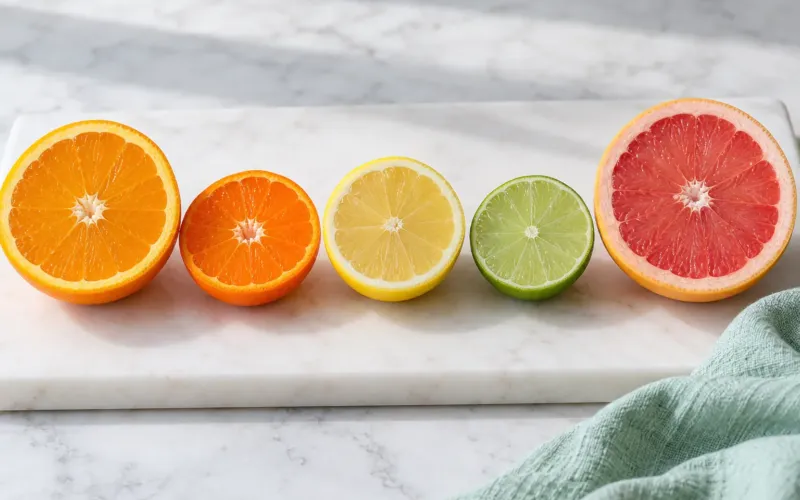
Lemons, limes and grapefruit are not good choices. They’re very sour, most dogs dislike them, and their peel and plant carry more of the same oils. A lick of lemon won’t harm a dog, but there’s no reason to share it.
Orange-Flavored Foods to Keep From Dogs
| Food | Why to Skip It |
|---|---|
| Orange juice | Concentrated sugar without the fiber; can cause loose stools |
| Canned mandarins in syrup | Added sugar |
| Orange chicken and other takeout | Fried, salty, sugary sauce, often with garlic or onion |
| Orange sherbet, sorbet, candy and baked goods | Sugar, dairy, and sometimes xylitol, which is toxic to dogs |
| Orange essential oil and peel extract | Concentrated citrus oils; keep diffusers and oils away from pets |
Note that “orange bell peppers” and “orange melon” (cantaloupe) are different foods altogether. Plain pieces of both are generally fine for dogs in small amounts.
Puppies and Dogs With Health Conditions
Can puppies eat oranges?
A small piece of peeled orange is fine for most puppies eating solid food. Their stomachs are touchy, so start with a bite the size of a pea and keep puppy food as nearly all of the diet.
Diabetes or overweight dogs
The sugar in oranges adds up fast. Ask your vet first, and consider lower-calorie snacks from our weight control guide.
Sensitive stomach or pancreatitis
Citrus acidity can trigger vomiting or loose stools in sensitive dogs. Oranges are fat-free, but dogs recovering from pancreatitis or GI flare-ups should stick to the diet their vet prescribed. See our dog upset stomach guide if trouble starts.
Kidney disease
Oranges are fairly high in potassium, which matters for some dogs with kidney disease. Check with your vet before adding fruit; our kidney diet for dogs guide explains why.
Can a dog get sick from eating orange peel? Usually just an upset stomach, but a large piece can cause a blockage, so call your vet if vomiting continues.
How much orange is too much? For most dogs, a few segments a couple of times a week is plenty. More can cause loose stools.
Is orange a good idea for dogs with kidney disease? Oranges are high in potassium, so check with your vet first.
— Dr. Sarah Miller, DVM
Oranges for Dogs: Quick Serving Guide
✓ Do
- Peel the orange completely
- Remove seeds and thick pith
- Share a few segments, a few times a week
- Start small and watch the stool
✕ Don’t
- Let your dog chew the peel
- Pour orange juice in the bowl
- Share mandarins canned in syrup
- Offer sherbet, candy or takeout
Every dog is different. Dogs with diabetes, kidney disease or a sensitive stomach should get their vet’s okay first.
Frequently Asked Questions
Can dogs have oranges every day?
It’s better not to. A segment or two a few times a week is plenty. Daily citrus adds sugar and acidity that can upset the stomach over time.
Can dogs eat orange peels?
No. The peel is hard to digest, contains citrus oils that can cause vomiting and diarrhea, and big pieces can cause a blockage.
Can dogs drink orange juice?
A lick won’t hurt, but juice is a concentrated sugar drink without the fiber. Fresh water is all your dog needs.
Can dogs eat oranges and tangerines?
Yes, both, as long as they’re peeled and seedless and you keep the total amount small. Count them together, not separately.
Are oranges good for dogs’ skin or teeth?
There’s no good evidence that oranges improve skin or teeth. A balanced diet, regular brushing and vet checks matter far more.
Why does my dog hate the smell of oranges?
Dogs have a far stronger sense of smell than we do, and citrus oils are sharp to them. Some dogs love the taste of the flesh anyway; others never will.
For more foods, browse the full what can dogs eat list.
The Bottom Line
Can dogs eat oranges? Yes, as an occasional, peeled and seedless treat. Keep portions to a few segments, toss the peel where your dog can’t reach it, and skip juice and syrupy canned fruit. If your dog has diabetes, kidney disease or a sensitive stomach, ask your vet first. For more fruit ideas, see our pineapple guide and the full Can Dogs Eat? library, and remember that grapes are one fruit to never share. This article is general information, not veterinary advice; see our Veterinary Disclaimer.
References & Sources
Written by CPD Nutrition Desk using the sources below. We are not affiliated with these organizations, and this guide is not a substitute for advice from your veterinarian.
- USDA — USDA FoodData Central
- WSAVA — WSAVA treat guide
- ASPCA — ASPCA lists the orange plant
- ASPCA — ASPCA Animal Poison Control Center