


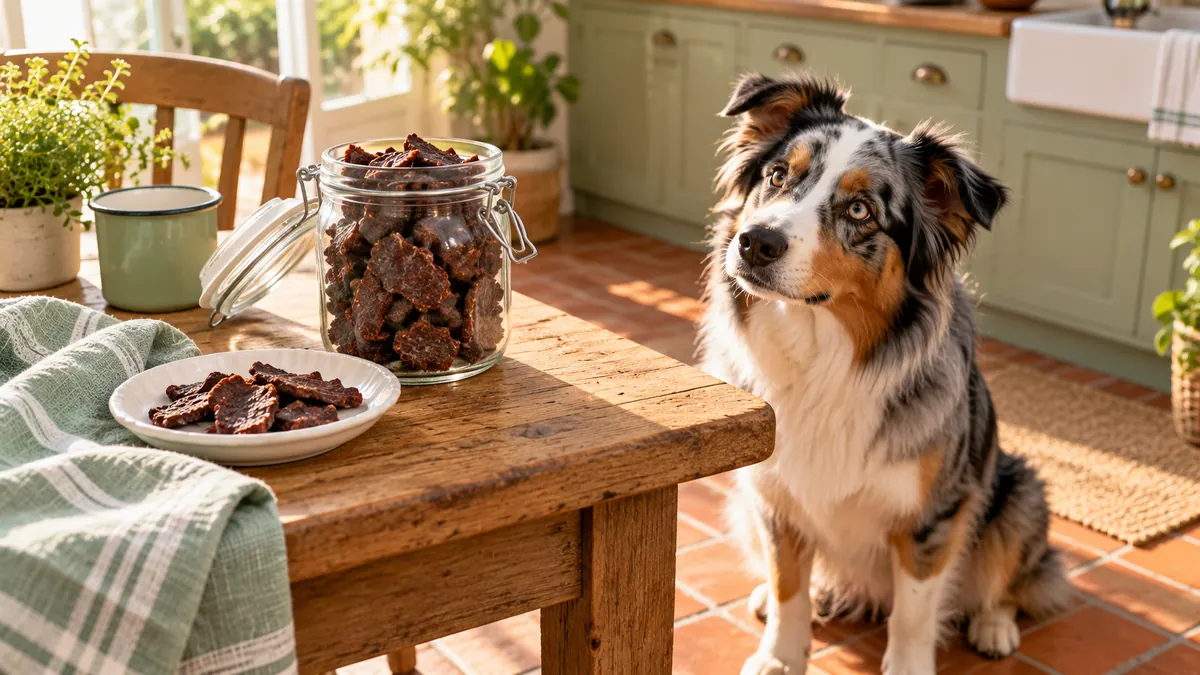
Ask any trainer about “high-value” rewards and liver usually tops the list. Its rich smell gets the attention of even the most distracted dog. Liver treats for dogs are also cheap to make at home, but there’s a catch most recipes skip: liver is packed with vitamin A, so portion size really matters. This guide covers two easy recipes (crunchy dehydrated pieces and soft baked squares), safe cooking steps, how much to give, storage and what to know before offering liver to a puppy.
Recipes: dehydrated beef liver pieces, baked liver training squares • Prep: 20–30 minutes • Cook: 6–8 hours dehydrating, or 20–25 minutes baking • Storage: fridge 1–2 weeks (dried) or 4–5 days (baked), freezer 3 months
Think of liver as a garnish, not a snack: a few tiny pieces a day is enough.
Table of Contents
Why Dogs Love Liver (and Why Less Is More)
Liver is rich in protein, iron, B vitamins and especially vitamin A. Beef liver carries roughly 5,000 micrograms of vitamin A per 100 grams, according to approximate USDA FoodData Central values, far more than muscle meat.
That’s the reason to keep portions small. VCA Animal Hospitals explains that vitamin A poisoning most often happens when pets are fed raw liver, cod liver oil or other vitamin A–rich supplements over weeks to months, and that the excess bone growth it can cause isn’t reversible. A few small liver dog treats are a world away from that, but daily handfuls are not.
Recipe 1: Dehydrated Beef Liver Treats for Dogs
You’ll need: 1 lb (about 450 g) beef liver. Nothing else.
Dehydrated Beef Liver Treats for Dogs
Ingredients
Method
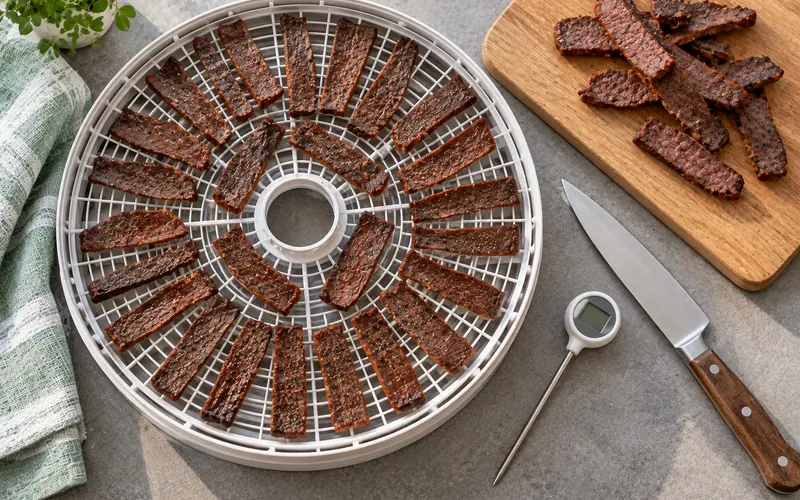
- Rinse the liver, pat it dry and freeze for about an hour so it slices cleanly.
- Cut into strips about 1/4 inch thick, trimming any tough membrane.
- Simmer the strips in plain water or bake them until a thermometer reads 160°F (71°C).
- Dehydrate at 140°F or higher for 6 to 8 hours, until fully dry and the pieces snap.
- No dehydrator? Use the oven's lowest setting with the door propped open for 3 to 4 hours, flipping once.
- Snip into pieces about the size of a pinky fingernail.
Notes
Expect a strong smell while it dries. Open a window, or run the dehydrator in a garage or utility room. For more on safe drying, see our dehydrated dog treats guide.
Recipe 2: Soft Baked Liver Training Squares
These soft, sliceable squares are easy to break into tiny rewards. You’ll need ½ lb (about 225 g) beef or chicken liver, 1 egg and 1 cup oat flour.
Soft Baked Liver Training Squares
Ingredients
Method
- Heat the oven to 350°F (175°C) and line an 8-inch square pan with parchment.
- Blend the liver and egg until smooth, then stir in the oat flour.
- Spread the batter evenly in the pan and bake 20 to 25 minutes, until firm in the center.
- Cool, then cut into 1/2-inch squares.
Notes
Each square comes to roughly 8 calories, based on USDA values for the batch (about 800 calories). Chicken liver works the same way and gives a milder flavor.

How Many Liver Treats Can a Dog Have?
With liver, vitamin A sets the limit before calories do. A pound of raw beef liver has roughly 610 calories and dries down to about 60 small pieces, around 10 calories each. These are conservative daily amounts for healthy adult dogs eating a complete commercial diet:
| Dog Size | Weight | Dried Pieces or Squares Per Day |
|---|---|---|
| Toy | Under 10 lb | 1 |
| Small | 10–25 lb | 1–2 |
| Medium | 25–50 lb | 2–3 |
| Large | 50–90 lb | 3–4 |
| Giant | 90+ lb | Up to 5 |
Pieces about the size of a pinky fingernail. If your dog eats a homemade or raw diet that already includes organ meat, ask your vet before adding liver treats.
Break pieces even smaller for long training sessions, and mix in lower-value rewards like kibble or our savory carrot and oat biscuits.
Storage Tips
- Dehydrated pieces: cool completely, then refrigerate in a sealed jar for 1–2 weeks.
- Baked squares: refrigerate for 4–5 days.
- Freezer: both keep for up to 3 months. Freeze in small bags and thaw a few at a time.
Keep it plain and cooked. Skip salt, garlic, onion and seasoning, never feed liver raw as a treat, and don’t combine liver treats with cod liver oil or vitamin A supplements unless your vet advises it. Signs of vitamin A excess can include stiffness, joint pain, lethargy and weight loss, so call your vet if you notice them.
Liver Treats for Dogs: Quick Serving Guide
Do
- Cook liver before drying
- Cut pieces very small
- Keep daily amounts modest
- Store treats in the fridge
Don't
- Feed raw liver as a treat
- Give liver by the handful
- Add salt, onion or garlic
- Pair with cod liver oil unadvised
Every dog is different. Ask your veterinarian before using liver treats for puppies or dogs on a homemade or raw diet.
Frequently Asked Questions
Are liver treats for puppies safe?
A tiny piece now and then is fine for most puppies eating solid food. Growing bones are sensitive to excess vitamin A, though, so keep liver to an occasional treat and ask your vet if you plan to use it often in training. For softer everyday options, see our puppy treat recipes.
Is beef or chicken liver better for dog treats?
Both work. Beef liver dries into firmer, crunchier pieces, while chicken liver is softer and milder. Cook chicken liver to 165°F before drying.
Can dogs eat liver every day?
A piece or two a day is generally fine for a healthy dog on a balanced commercial diet. Larger daily amounts can build up too much vitamin A over time.
How do I know dehydrated liver dog treats are done?
They should be dry all the way through, with no soft or moist center, and snap when bent. Any piece that feels spongy needs more time.
Why does my dog get diarrhea after liver treats?
Liver is rich, and too much at once can cause loose stool. Cut back to smaller pieces, and see your vet if it continues.
Looking for another recipe? Browse all our homemade dog treats by type.
The Bottom Line
Homemade liver treats for dogs are about as high-value as rewards get. Cook the liver properly, dry or bake it plain, cut it tiny, and keep daily amounts small because of its vitamin A. Explore more recipes in our Homemade Treats collection. This article is general information, not veterinary advice; see our Veterinary Disclaimer.
References & Sources
Written by CPD Nutrition Desk using the sources below. We are not affiliated with these organizations, and this guide is not a substitute for advice from your veterinarian.
- VCA Animal Hospitals — Vitamin a toxicosis in dogs